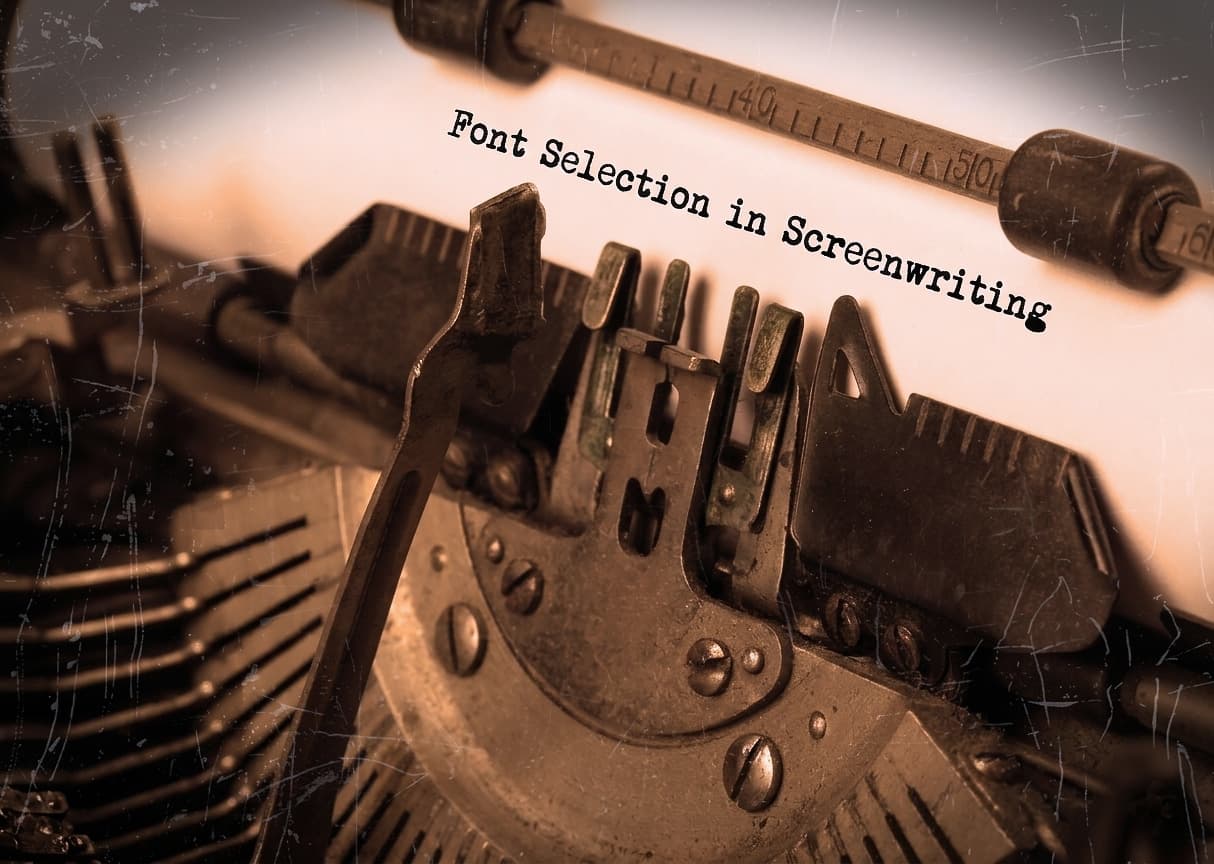
Font Selection in Screenwriting: Tradition or Technical Necessity?
Why Hollywood still types in a 1950s typeface and why changing it would cost more than you think?
27 de enero de 202614 min
Leer Guías sobre guionismo, cine, estructura narrativa y análisis de guiones.
43 resultados encontrados
Why Hollywood still types in a 1950s typeface and why changing it would cost more than you think?
There is no shortage of books about screenwriting. They will teach you structure, character, dialogue, and conflict. They will explain the three-act model, the midpoint, the dark night of the soul. What they cannot teach you is what it actually feels like to be a writer; the obsession, the paralysis, the strange relationship between the person who writes and the work that gets written.
There is a document that most filmmakers underestimate, rush through, or write as an afterthought. It is not the script. It is not the pitch deck. It is the synopsis; the one or two pages that, in most cases, determine whether anyone reads the script at all.
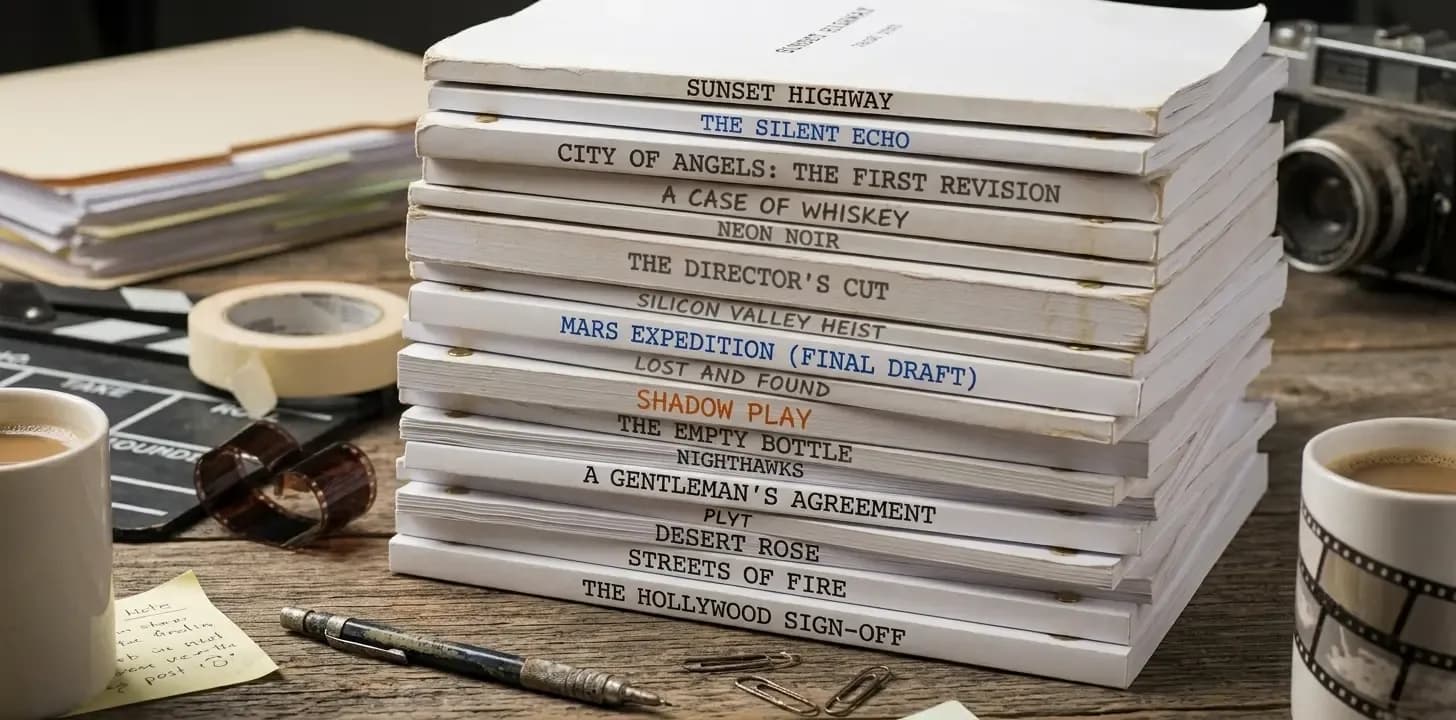
Ask a screenwriter how long their script is and they will almost certainly answer in pages, not words. A novelist measures their work in word count. A screenwriter measures theirs in pages. The reason for this is one of the most practical conventions in the industry, and understanding it changes how you think about the physical document in your hands. The rule is simple: one page of properly formatted screenplay equals approximately one minute of screen time. A 100-page screenplay is, in theory, a 100-minute film. This is not a precise formula; action-heavy sequences can move faster, dialogue-heavy scenes can run slower but as a working approximation, it is reliable enough that the entire industry has organized itself around it.
There is a moment every screenwriter knows. The script is almost finished. The story has built, the characters have struggled, the themes have accumulated. And then comes the final scene the moment that will determine how every scene before it is remembered.

The film industry has survived every technological disruption thrown at it. Sound. Color. Digital cameras. Streaming. Each time, the industry adapted, evolved, and found a way to absorb the new without abandoning what made it essential in the first place. Artificial intelligence may be different. Not because it threatens the technology of filmmaking — but because it threatens something more fundamental: the authorship at the center of it. For the first time, the question of who wrote a script is no longer a simple one. And for producers, development executives, and script readers, that question is becoming one of the most consequential they will face.
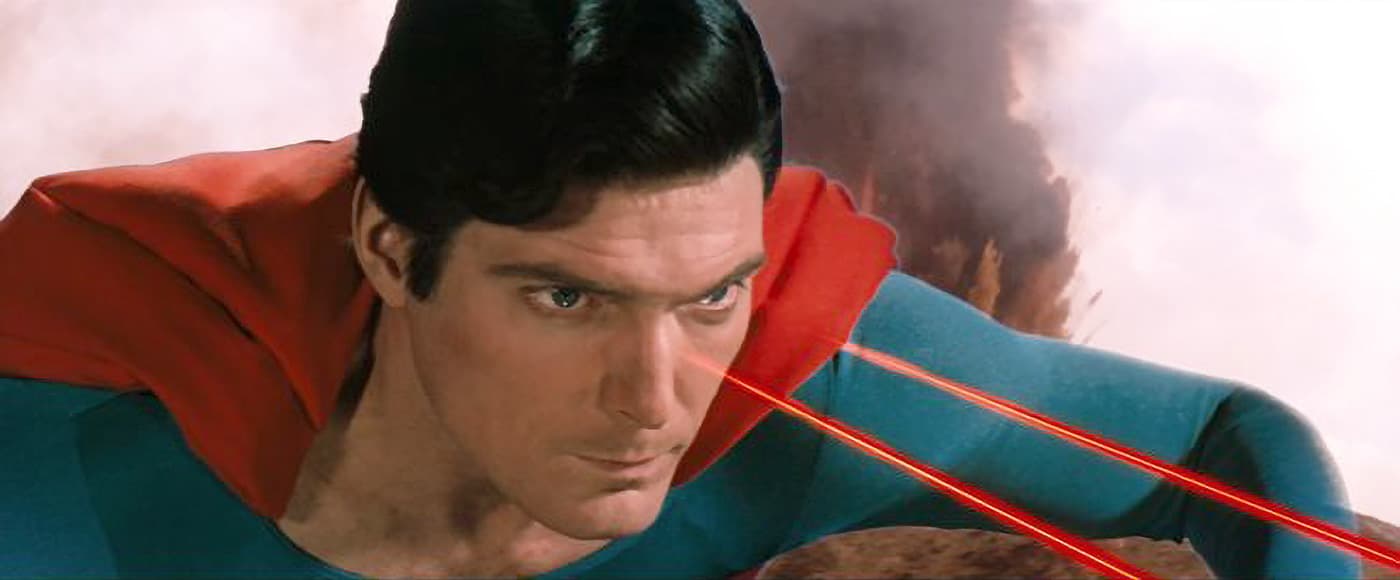
There is a familiar feeling every viewer recognizes, even if they do not have a name for it. A film is nearing its final act. The characters are trapped. The story has tightened itself into a corner. The outcome seems inevitable. And then suddenly something happens. An event, a revelation, a character, or a force arrives from outside the logic of the narrative and resolves what the story itself has not resolved.
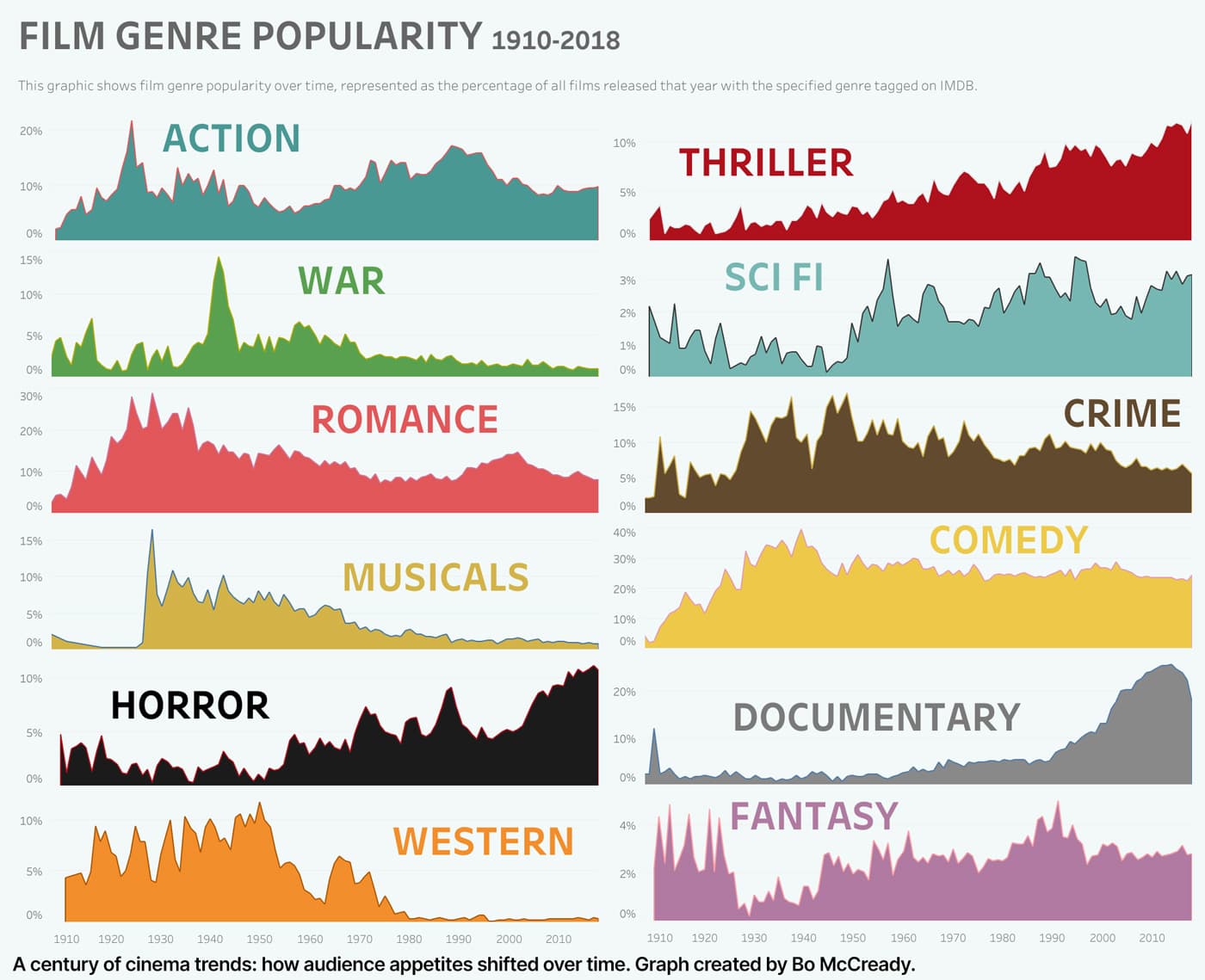
Ask a filmmaker what genre their film is, and you will often get a hesitant answer. A list of influences. A comparison to three other films. A long pause. But genre is not something a story chooses it is something a story has. And the sooner a filmmaker understands what their story is carrying, the better every decision that follows will be. Genre is not a marketing label applied after the fact. It is a language that audiences, producers, and distributors have been speaking for centuries long before cinema existed. Understanding it is not a commercial compromise. It is a creative advantage.

When a rain of yellow flowers falls over a town following the death of an old man, no one in Gabriel García Márquez's Macondo calls a scientist, panics, or questions the laws of physics. They sweep the petals off the porch and carry on with their morning. This moment captures the defining paradox of magical realism: a literary mode where the miraculous is treated with matter-of-fact indifference, and the mundane is observed with awe.
Explore a complete sample analysis and understand the feedback format.