.webp&w=3840&q=75)
Where to Study Screenwriting: A Guide to the World's Leading Programs
From Los Angeles to Seoul, a considered guide to the institutions that have shaped cinema's storytellers and what they can, and cannot, give you.
Guías sobre guionismo, cine, estructura narrativa y análisis de guiones.
43 resultados encontrados
.webp&w=3840&q=75)
From Los Angeles to Seoul, a considered guide to the institutions that have shaped cinema's storytellers and what they can, and cannot, give you.

The greenlight is scheduled for next month. A major Hollywood studio has already soft-committed $150 million to a highly anticipated sci-fi epic. The locations are scouted, the director is hired, and an A-list movie star is attached to the lead role. There is only one glaring, terrifying problem: the script is dead on the page.
You finished the screenplay. You revised it. You had someone read it. You revised it again. And now it is sitting in a folder on your desktop, and you are not entirely sure what to do next. This is the moment most screenwriting guides skip over. They explain structure, character, dialogue, and format with great care and then, in a final chapter, they gesture vaguely toward Hollywood and suggest you find an agent. For writers based in Los Angeles with industry connections, that advice is incomplete but not useless. For everyone else writers in Berlin, Istanbul, São Paulo, Seoul, or anywhere outside the specific ecosystem of American commercial filmmaking it is advice that describes a world they do not have access to.

A writer's guide to the two forces that drive every story — and why most people misunderstand both.

You've written a script. Maybe two. You've spent months on it; rewriting scenes, adjusting dialogue, getting feedback from friends. And then you send it out, and nothing happens. No response, no meeting, no conversation. Just silence.

One sentence stands between your screenplay and the desk it lands on. Here's how to make it count.

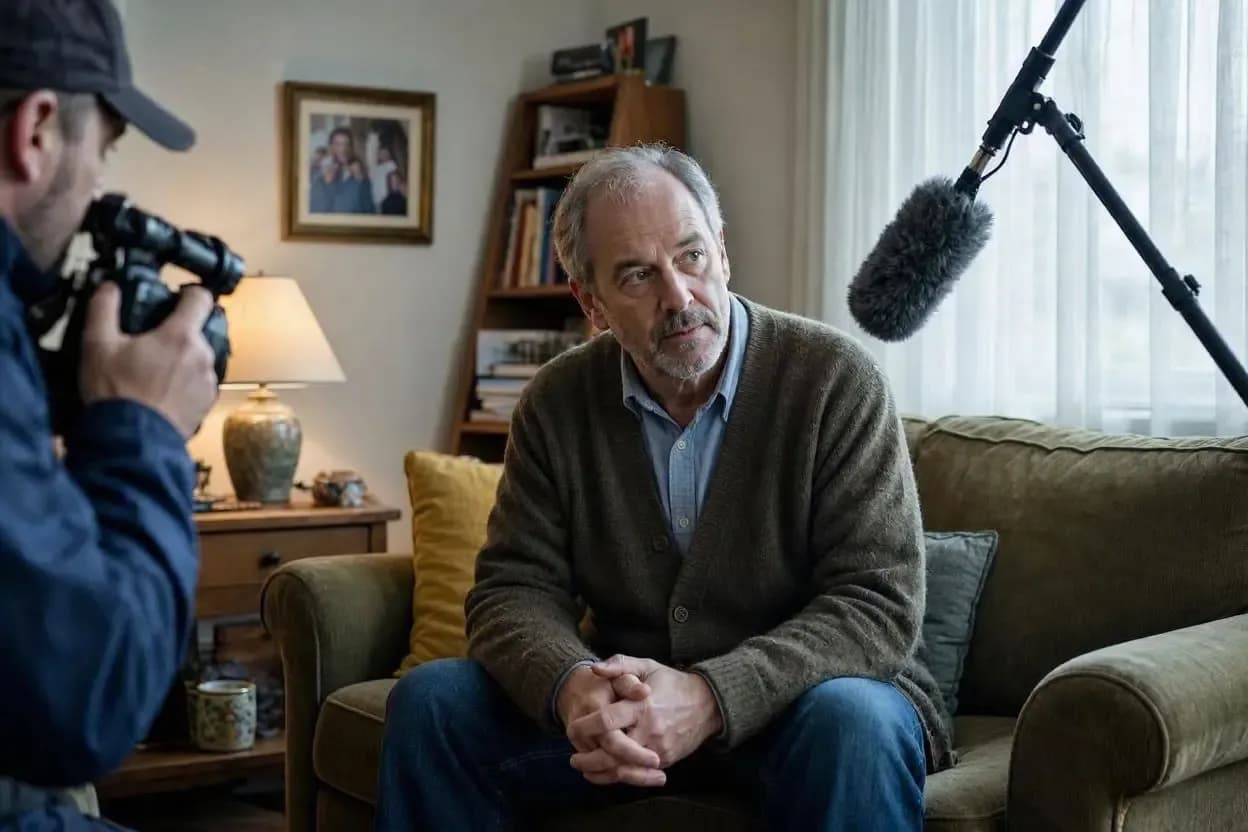
There is a camera in the room. Everyone knows it is there. And yet nobody acknowledges it directly at least not in the way you would acknowledge a stranger standing in the corner of your living room. The characters go about their lives, argue with their colleagues, confess their secrets, and pursue their goals, all while being filmed by a crew they have apparently agreed to let follow them around indefinitely.

You have a script. You have a director. You might even have funding. And somewhere in the back of your mind, you are already thinking about the shoot. But before a single camera is set up, before a single actor is called, before anyone books a hotel room or rents a van, someone needs to sit down with that script and take it apart. Scene by scene, line by line. This is the script breakdown.
A complete reference for the vocabulary of the craft from the first slug line to the final fade out.
Explore a complete sample analysis and understand the feedback format.