Drehbuch & Storytelling

Blog

Leitfäden zu Drehbuchschreiben, Dramaturgie, Charakterentwicklung und KI-gestützter Skriptanalyse.

16 Beiträge
RSS

16 Ergebnisse gefunden

Close-up of two neat stacks of colorful vintage hardcover books, showing the rustic texture of the pages and bindings.

5 Books Every Screenwriter Should Read

Most screenwriting books promise the same thing: a better screenplay. They offer structures, principles, checklists, and story models designed to help writers solve narrative problems. What they rarely explain is that each book is built on a different idea of what a screenplay actually is.

5. Februar 20261 Min.
Lesen
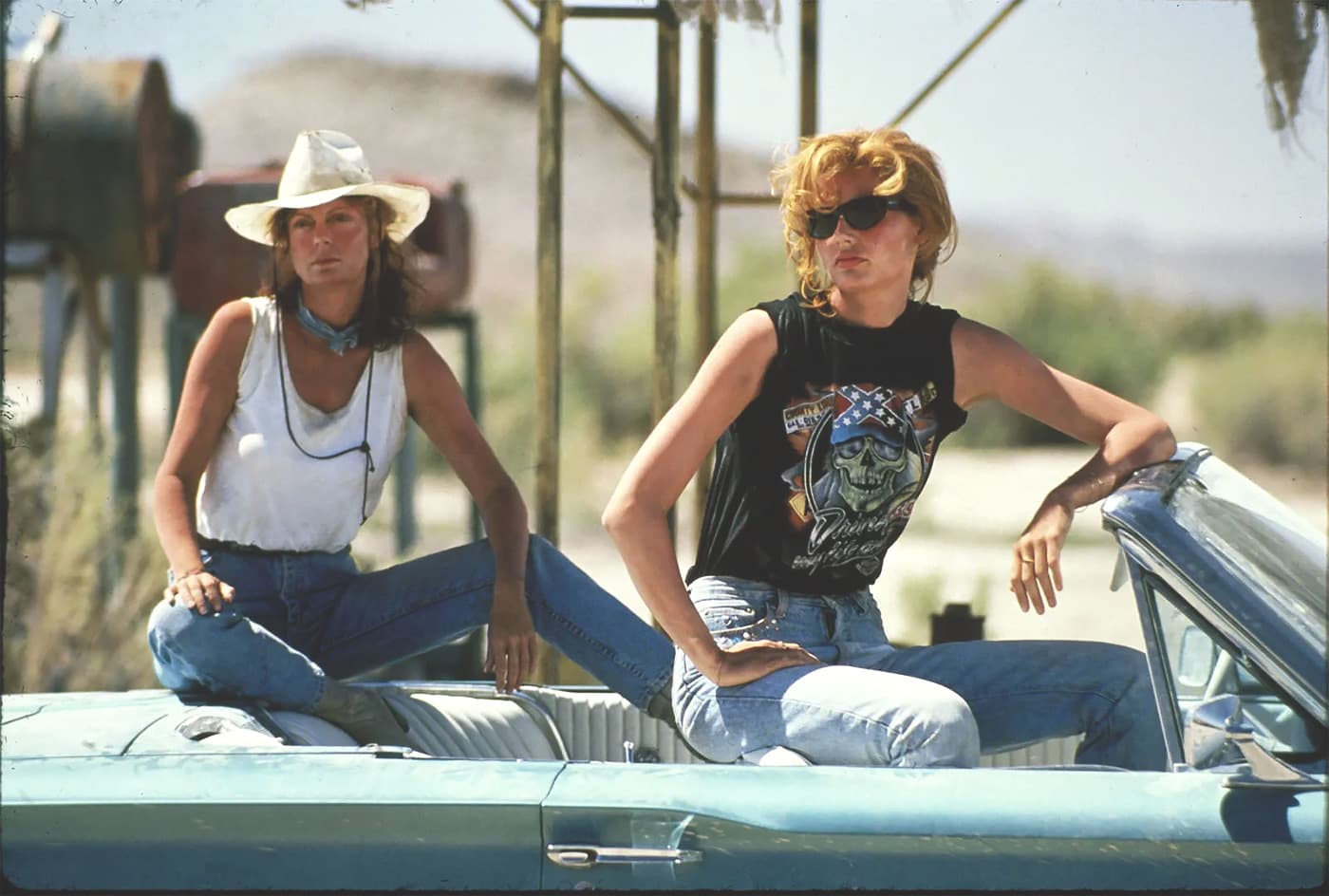
Thelma & Louise (1991) - Two women sit on the hood of a turquoise convertible in an open desert landscape, one wearing a cowboy hat, both looking directly ahead

The Anatomy of a Great Protagonist: Five Elements Behind Every Memorable Character

Great films are often remembered through their protagonists. We speak of Michael Corleone rather than the structure of The Godfather, Travis Bickle rather than the plot of Taxi Driver, Charles Foster Kane rather than the investigative framework of Citizen Kane. This is not because character is more important than story, but because story is often experienced through character.

3. Februar 20261 Min.
Lesen
A close-up cinematic shot of a vintage black typewriter centered on a dark wooden desk under a warm lamp light. A blank white sheet of paper is loaded into the machine. Several crumpled balls of paper are scattered around the desk next to a fountain pen, against a dim, textured wallpaper background.

Before You Write Your First Script: 10 Films About the Writing Life

There is no shortage of books about screenwriting. They will teach you structure, character, dialogue, and conflict. They will explain the three-act model, the midpoint, the dark night of the soul. What they cannot teach you is what it actually feels like to be a writer; the obsession, the paralysis, the strange relationship between the person who writes and the work that gets written.

8. Januar 20261 Min.
Lesen
A close-up view of a human hand editing a highlighted screenplay with a red pen next to a metallic robotic hand pointing at the same page. The wooden desk is cluttered with stacks of scripts, a yellow highlighter, and a mechanical pencil under warm lighting.

The Ghost in the Script: AI, Authorship, and the Future of Screenwriting

The film industry has survived every technological disruption thrown at it. Sound. Color. Digital cameras. Streaming. Each time, the industry adapted, evolved, and found a way to absorb the new without abandoning what made it essential in the first place. Artificial intelligence may be different. Not because it threatens the technology of filmmaking — but because it threatens something more fundamental: the authorship at the center of it. For the first time, the question of who wrote a script is no longer a simple one. And for producers, development executives, and script readers, that question is becoming one of the most consequential they will face.

8. Oktober 20251 Min.
Lesen

Start improving your screenplay

Save 25% on your first analysis and strengthen your screenplay

A grid of twelve area charts created by Bo McCready, visualizing the relative popularity of different film genres from 1910 to 2018 based on IMDb data. Each labeled chart tracks the annual percentage of film releases for genres like Action, Comedy, Horror, and Documentary, highlighting over a century of cinematic trends.

What Genre Is Your Film? Why the Answer Matters More Than You Think

Ask a filmmaker what genre their film is, and you will often get a hesitant answer. A list of influences. A comparison to three other films. A long pause. But genre is not something a story chooses it is something a story has. And the sooner a filmmaker understands what their story is carrying, the better every decision that follows will be. Genre is not a marketing label applied after the fact. It is a language that audiences, producers, and distributors have been speaking for centuries long before cinema existed. Understanding it is not a commercial compromise. It is a creative advantage.

12. August 20251 Min.
Lesen
A close-up of a vintage typewriter with a white page inserted, the word 'ideas' typed on it

How to Get Your Script Read by Producers: 10 Practical Steps

Every screenwriter reaches the same point eventually. The script is finished or finished enough. The rewrites have been done, the feedback has been incorporated, the logline has been refined. And now comes the part that no screenwriting book adequately prepares you for: getting the thing in front of someone who can actually do something with it.

9. April 20251 Min.
Lesen
A black and white close-up of a vintage typewriter platen holding a sheet of textured paper. Centered on the paper is the typed text: "What's your story?" with the question mark. A numbered metal ruler is visible above the paper.

Poetika: A Tool for Everyone in the Film Industry

The film industry runs on scripts. Every project whether it's a debut short or a major co-production begins with a screenplay. And yet, for most of the people who work with scripts every day, the process of evaluating, developing, and understanding them has remained slow, expensive, and inconsistent. Poetika was built to change that. It is a script analysis and development platform that serves every role in the filmmaking process from the writer at the first draft stage to the studio executive weighing a production decision. Here is who it is for, and what it offers each of them.

12. März 20251 Min.
Lesen

How Poetika Works?

Explore a complete sample analysis and understand the feedback format.