Finding the Right Story: How Script Coverage Saves Producers Time
March 26, 20247 min read
Every week, a busy production company can receive up to twenty scripts. Some arrive through agents, some through open submissions, some through personal connections. They all come with the same implicit request: read me, consider me, say yes.
But there are only so many hours in a week, and thoroughly reading a feature-length screenplay takes time that producers rarely have. This is the quiet pressure at the center of every production office. Not a lack of good stories but a lack of time to find them. And more than time: a lack of the right information to make good decisions, quickly.
The Cost of Reading Everything
A producer who reads every script that lands on their desk is not doing their job; they are drowning in it. The real skill is knowing which scripts deserve a full read, and which ones don't fit before you even get to page ten.
Traditionally, this is what script readers and coverage writers are for. They read, summarize, and evaluate. They save the producer's time. But not every production company has a team of readers. And even when they do, coverage can be inconsistent, dependent on the reader's taste, experience, and availability.
The result is a system that works well for some and fails quietly for others. Good scripts get buried. Decisions take longer than they should. And the producer ends up spending their most valuable resource — attention — on material that was never right for them in the first place.
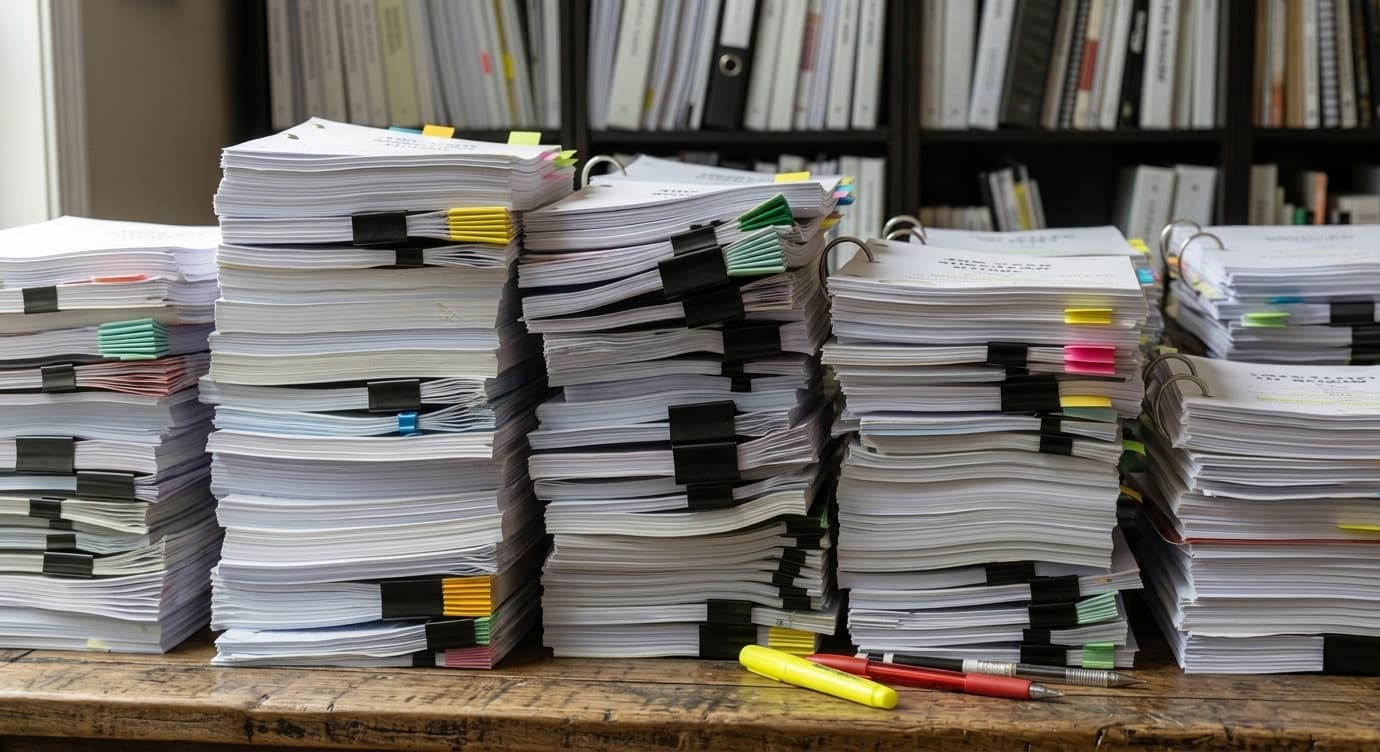
Red ink, highlighters, and coffee stains. Script coverage does the heavy lifting of story filtering, ensuring only the most polished, production-ready narratives make it to a producer's desk.
What Good Coverage Actually Tells a Producer?
Coverage is not just a summary. When done properly, it gives a producer everything they need to make an informed decision without reading the full script.
This is what Poetika's analysis provides:
A synopsis and story summary so the producer understands the narrative arc before committing to a full read.
A dramaturgical breakdown; the technical structure of the story, its strengths and weaknesses, where the momentum builds and where it loses pace.
A target audience and age rating analysis; including how the film might be rated across different markets. A script that works as a PG-13 in one country may require a different cut in another. Knowing this early changes how a producer thinks about distribution.
An estimated running time based on the script itself, giving the producer a realistic sense of the final film before a single frame is shot.
A list of comparable films so the producer can immediately place the project in a market context. What has worked before? Who is the audience? Where does this film sit?
A full cast breakdown and scene analysis; how many characters, how many scenes, how long each section runs. This level of detail helps producers think about casting earlier, and plan more accurately.
With this information, a producer doesn't have to guess. They can look at a coverage report and know within minutes whether a script fits their slate, their market, their budget range, and their audience.
The Right Script for the Right Producer
There is a version of this story that no one talks about enough. A great script lands on the wrong desk. The producer is talented, the script is strong but they are simply not right for each other. One makes intimate character studies, the other builds genre films. One works with first-time directors, the other only with established names. The script gets a polite pass, moves on, and somewhere in that journey loses momentum.
This is not a failure of quality. It is a failure of matching.
Every producer has a voice a sensibility, a slate, a type of story they know how to bring to life. Coverage helps make that matching faster and more honest. When you can see at a glance that a script is a dark, slow-burn arthouse drama with a niche target audience and comparable films that never crossed a million at the box office you know immediately whether that fits your world. And if it doesn't, you can pass quickly and respectfully, instead of sitting on a script for weeks before arriving at the same conclusion.
A Shared Language in the Office
In a busy production office, not everyone reads everything. A development executive might focus on dramas, while someone else tracks genre projects. An assistant might be the first reader, passing notes up the chain. A co-producer in another country might need to weigh in before any commitment is made.
In this environment, coverage becomes a shared language. Instead of asking five people to read the same script and then spend an hour aligning their impressions, you start with a structured document that everyone can reference. The conversation moves faster. The disagreements get more specific. And the decisions; "yes or no", "pass or develop" happen with more clarity and less friction.
It sounds small. But in an industry where timing matters enormously, the difference between a two-week decision and a two-day decision can change everything.
International Co-Productions
Film is increasingly an international business. A German producer might be developing a project with a French co-producer and an American distributor at the same table. Before any of those conversations go far, everyone needs to understand what they are looking at.
This is where coverage becomes almost indispensable. Sending a full script to an international partner and asking them to read it before your next call is one thing. Sending a coverage report that includes target audience, comparable films across markets, estimated running time, and age rating analysis across different territories is another. It gives your partner something concrete to respond to and it signals that you have already done the thinking.
A script that plays as a family film in one country might carry a 15+ rating in another. A story rooted in one cultural context might need a very different marketing approach in a different market. Knowing this early before co-production agreements are signed is not a small advantage. It is the difference between a smooth international collaboration and an expensive misunderstanding.
Coverage as the Beginning of a Conversation
Coverage is often thought of as a gatekeeping tool. You read the report, you decide whether to proceed, and that's it. But the best producers use it differently as the beginning of a conversation, not the end of one.
When a script has real potential but clear structural problems, coverage gives the producer a framework for talking to the writer. Instead of saying "something feels off in the second act" — which is honest but not useful you can say "the protagonist loses agency at page 65 and doesn't recover it until page 90, and that's where the audience starts to disengage." That is a conversation a writer can actually do something with.
This changes the dynamic between producer and writer. It becomes less about judgment and more about development. Less about whether the script is good enough and more about what it needs to become what it is trying to be.
The Right Story Is Out There
The problem was never a shortage of scripts. It was always the time it takes to find the right one and the clarity it takes to know what you are looking for.
Good coverage doesn't replace a producer's instinct. It sharpens it. It removes the noise so the signal the story that is genuinely worth pursuing can be heard more clearly.
That is what Poetika is designed to do. Not to make the decision for you. But to make sure that when you do decide, you are deciding with the full picture.
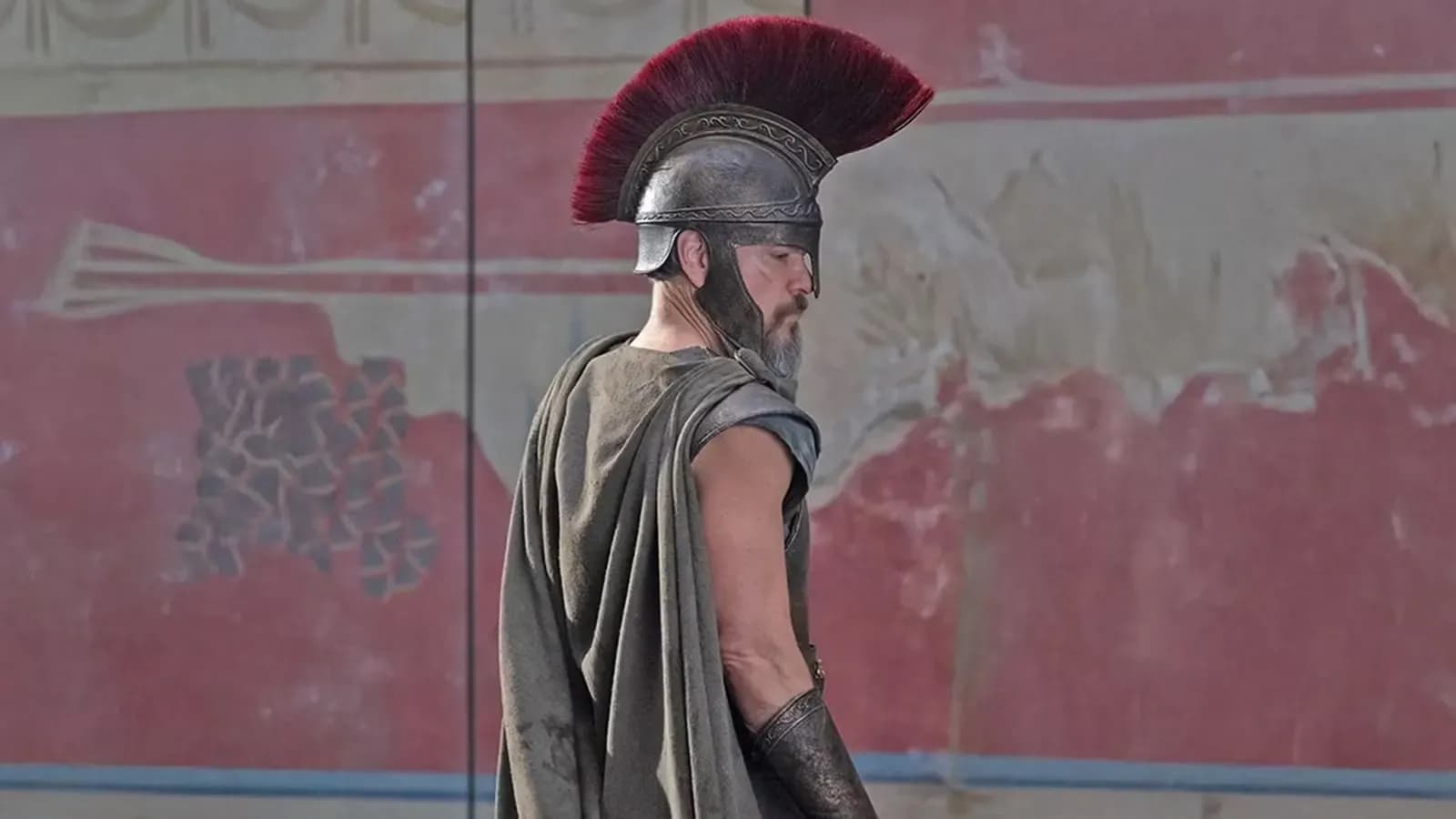
Christopher Nolan's The Odyssey may be his biggest production yet, but it also feels like the inevitable destination of a career built around memory, time, and the impossible journey home.
Every few years, a beloved novel gets adapted into a film. The announcement generates excitement; finally, that book is becoming a movie. And then, more often than not, something goes wrong. The film arrives and feels thin, rushed, or strangely hollow. The characters who felt so vivid on the page seem flat on screen. The story is technically all there, but whatever made the book extraordinary has somehow failed to survive the journey.
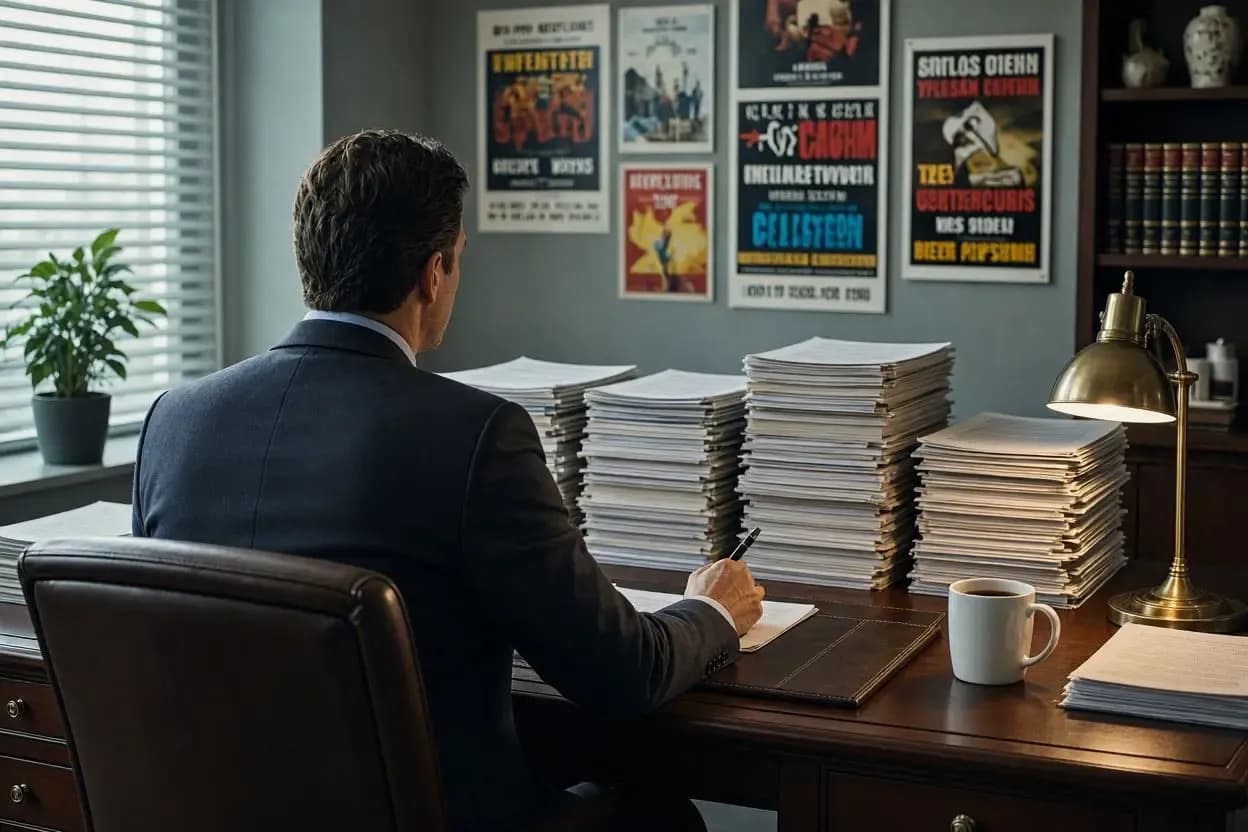
It is Monday morning. Over the weekend, twelve new scripts arrived. Nine more came in the week before. Somewhere in the inbox are scripts that have been waiting since last month, along with a few that have been there even longer. In two hours, the development meeting starts, and there is still a stack of material that nobody has had time to read.