Screenwriting & Storytelling

Blog

Guides on screenwriting, filmmaking, story structure and script analysis.

22 posts
RSS

22 results found

🎬

Not All Script Coverage Is the Same: Understanding the Different Types of Coverage and What They're Designed to Do

Ask ten screenwriters what "script coverage" means, and most will give you the same answer: a reader's report that determines whether a screenplay receives a Pass, Consider, or Recommend. They're not wrong. But they're only describing the industry's most familiar form of coverage. Behind the scenes, many other types of coverage quietly influence whether a screenplay gets made, who joins the project, how much it costs to produce, and whether it creates legal or financial risks.

July 6, 202612 min
Read
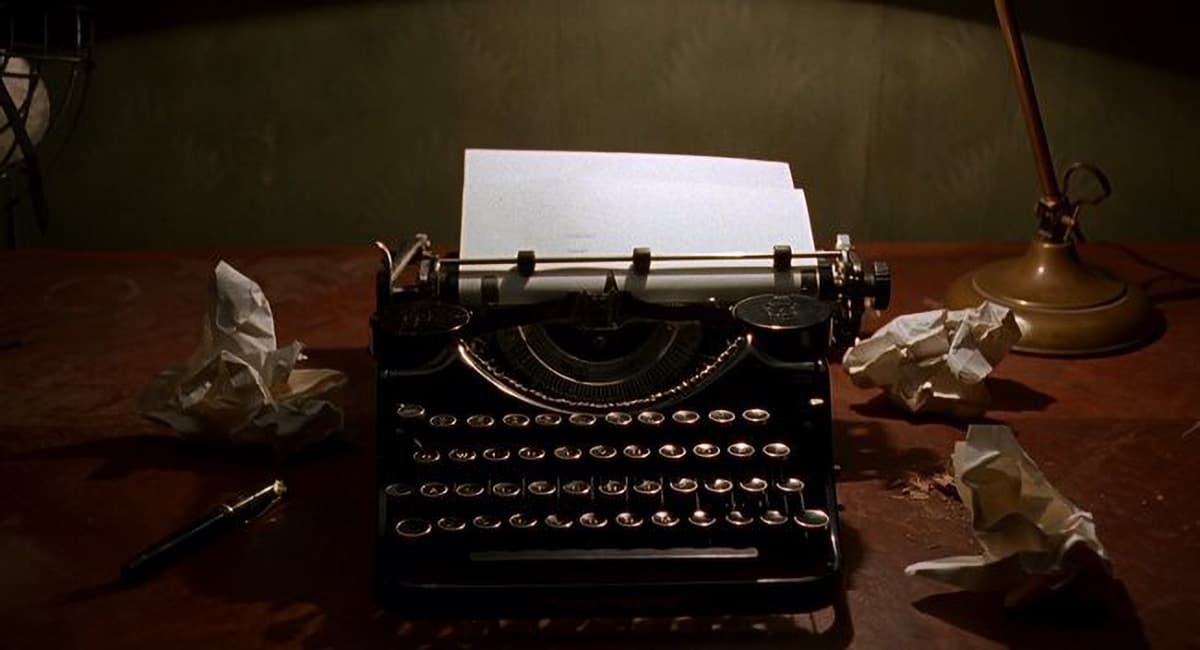
A close-up cinematic shot of a vintage black typewriter centered on a dark wooden desk under a warm lamp light. A blank white sheet of paper is loaded into the machine. Several crumpled balls of paper are scattered around the desk next to a fountain pen, against a dim, textured wallpaper background.

Before You Write Your First Script: 10 Films About the Writing Life

There is no shortage of books about screenwriting. They will teach you structure, character, dialogue, and conflict. They will explain the three-act model, the midpoint, the dark night of the soul. What they cannot teach you is what it actually feels like to be a writer; the obsession, the paralysis, the strange relationship between the person who writes and the work that gets written.

January 8, 20261 min
Read
Close-up of Superman flying and using his heat vision with glowing red laser beams from his eyes.

The Mechanics of Storytelling: Understanding Deus Ex Machina

There is a familiar feeling every viewer recognizes, even if they do not have a name for it. A film is nearing its final act. The characters are trapped. The story has tightened itself into a corner. The outcome seems inevitable. And then suddenly something happens. An event, a revelation, a character, or a force arrives from outside the logic of the narrative and resolves what the story itself has not resolved.

August 20, 20256 min
Read

Analyze your script with Poetika

Get instant feedback on your screenplay in minutes.

A grid of twelve area charts created by Bo McCready, visualizing the relative popularity of different film genres from 1910 to 2018 based on IMDb data. Each labeled chart tracks the annual percentage of film releases for genres like Action, Comedy, Horror, and Documentary, highlighting over a century of cinematic trends.

What Genre Is Your Film? Why the Answer Matters More Than You Think

Ask a filmmaker what genre their film is, and you will often get a hesitant answer. A list of influences. A comparison to three other films. A long pause. But genre is not something a story chooses it is something a story has. And the sooner a filmmaker understands what their story is carrying, the better every decision that follows will be. Genre is not a marketing label applied after the fact. It is a language that audiences, producers, and distributors have been speaking for centuries long before cinema existed. Understanding it is not a commercial compromise. It is a creative advantage.

August 12, 20251 min
Read
An overhead photograph of a vintage mint-green typewriter on a rustic wooden desk, surrounded by a notebook, pens, a coffee cup, and a stack of yellow books. Modern digital writing and creative software logos are clearly placed on the typewriter paper and notebook, contrasting tradition with technology.

The Modern Screenwriter's Desk: Tools for Writing, Research, and Development

There is a romantic image of the screenwriter at work: a typewriter, a stack of paper, a pot of coffee, and nothing else. For much of the twentieth century, that image was not just romantic, it was accurate. Writing meant sitting down with an idea and a blank page. Research happened in libraries. Revisions happened by hand. Feedback came from other people, often weeks or months later.

July 17, 202515 min
Read
A demanding music instructor closely watches a young drummer during an intense rehearsal, illustrating conflict, pressure, and personal transformation.

The Invisible Structure Behind Every Great Character: Understanding Character Arc

Think of a film that stayed with you long after the credits rolled. Not because of its plot twists or visual effects, but because of what happened to the person at its center. The way they started as one thing and ended as something else or the way the story made you desperately wish they had. That experience has a name: character arc. And it is the single most important structural element separating characters who feel alive from characters who merely function.

June 12, 202511 min
Read

How Poetika Works?

Explore a complete sample analysis and understand the feedback format.