The film industry runs on scripts. Every project whether it's a debut short or a major co-production begins with a screenplay. And yet, for most of the people who work with scripts every day, the process of evaluating, developing, and understanding them has remained slow, expensive, and inconsistent. Poetika was built to change that. It is a script analysis and development platform that serves every role in the filmmaking process from the writer at the first draft stage to the studio executive weighing a production decision. Here is who it is for, and what it offers each of them.
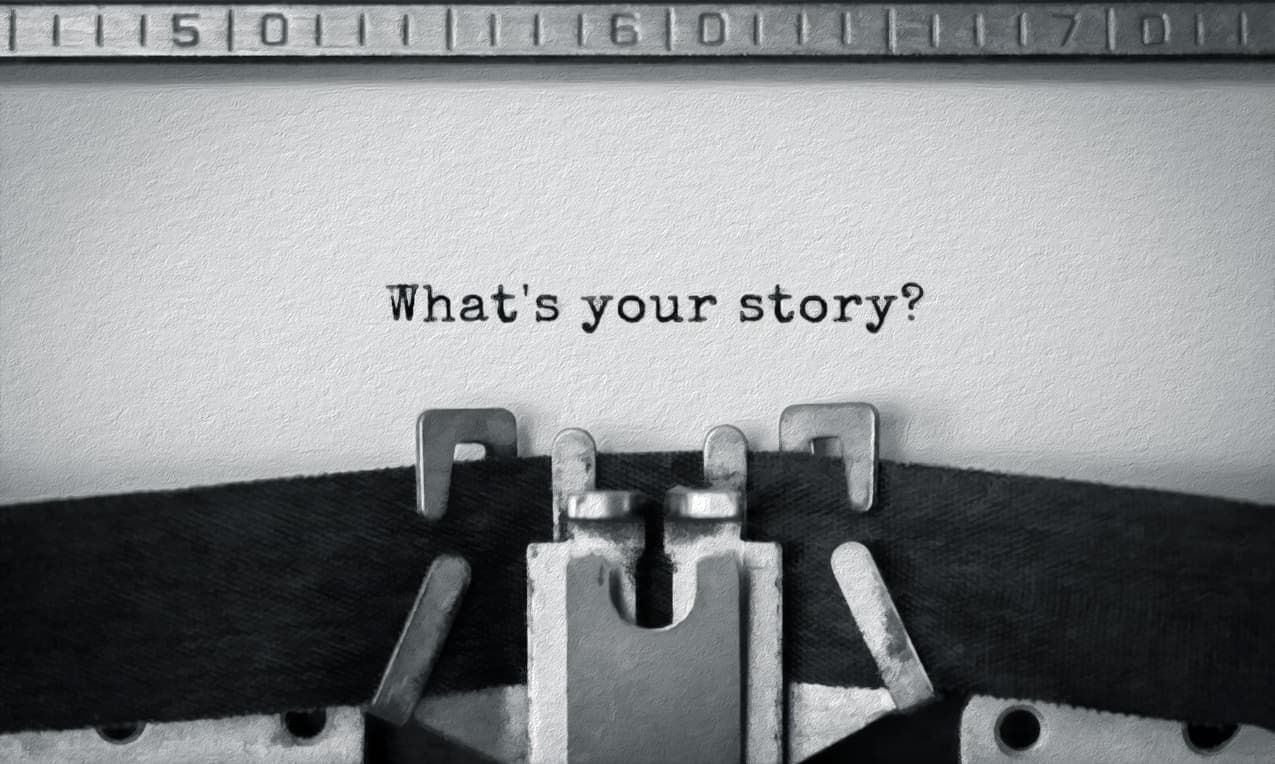
The timeless call to create. Every script, every story, starts with a single, crucial question that only you can answer.
Writers
For a writer, the hardest part of the process is not the writing itself it is knowing when the work is ready, and what it still needs. Friends offer encouragement. Colleagues offer opinions. But what a script actually requires at the development stage is objective, structural analysis. Poetika provides exactly that. It identifies narrative inconsistencies, maps character development, measures dialogue density, and flags technical errors delivering the kind of precise, actionable feedback that writers typically only receive from professional script consultants. The result is not a list of problems, but a clear roadmap for the next draft.
Directors
A director's relationship with a script is different from a writer's. Where a writer sees story, a director sees execution locations, schedules, character dynamics, visual rhythm. The gap between reading a script and understanding what it will take to shoot it is where many productions run into trouble.
Poetika bridges that gap. Its breakdown analysis covers location frequency, day and night scene distribution, character scene counts, and dramaturgical structure giving directors a precise picture of what their script demands before pre-production begins. The creative vision and the logistical reality can be aligned from the start, rather than discovered on set.
Producers
Independent producers operate under a specific kind of pressure: too many scripts, too little time, and no margin for error. Traditional script coverage helps, but it is slow, inconsistent, and dependent on the availability of experienced readers.
Poetika offers a faster, more consistent alternative. It delivers high-quality analysis in seconds covering narrative strength, market positioning, target audience, comparable titles, and age rating across territories. For a producer managing a slate of projects, or evaluating a high volume of submissions, this kind of rapid, reliable assessment is not a convenience. It is a competitive advantage.
Filmmakers
Independent filmmakers occupy a unique position in the industry they are often writer, director, and producer simultaneously, with limited resources and no institutional support. For them, access to professional-grade analysis has historically been out of reach.
Poetika levels that playing field. From casting suggestions and budget estimates to target audience profiling and dramaturgical evaluation, it provides independent filmmakers with the same quality of insight available to larger productions at a fraction of the traditional cost, and without the waiting list.
The stage is set for a story. A pristine, vintage orange typewriter, a fresh page, and a quiet desk ready for the first word.
Studios
For studios, script evaluation is a high-stakes process. The decisions made at the development stage which projects to greenlight, which to pass on, which to develop further have long-term financial and creative consequences.
Poetika supports those decisions with data. Its studio-facing analysis includes preliminary budget indicators, location assessments, international age rating compliance, and detailed character screen time metrics. By adding an objective, data-backed layer to the evaluation process, Poetika helps studios move from instinct to informed decision-making without slowing down the development pipeline.
Agents and Managers
For talent agents and managers, the question is rarely about the script itself it is about the role. Does this character offer the right kind of exposure for this client? How much screen time is realistic? What is the character's arc, and does it align with where this career should go?
Poetika answers those questions precisely. It measures estimated screen time, dialogue density, and character impact, while identifying archetypes and narrative function. In an industry where agents regularly field dozens of script submissions, having a tool that can quickly surface the most relevant opportunities is a significant advantage.
Educators and Students
Film schools and creative writing programs face a consistent challenge: how to give students meaningful, objective feedback on their work at scale. Subjective critique is valuable, but it is time-consuming and variable. Students benefit most when they can see their work reflected back through a consistent, professional lens.
Poetika serves both sides of that relationship. For educators, it enables precise, data-driven evaluation of student scripts and its batch analysis capabilities can identify recurring structural issues across an entire class, helping to refine teaching focus. For students, it functions as an immediate feedback loop: a way to identify weaknesses, understand their craft more deeply, and arrive at their final drafts with professional-grade clarity.
The film industry has always rewarded preparation. The projects that make it through development, into production, and onto screens are rarely the ones with the most talent behind them they are the ones that were most rigorously prepared. Poetika exists to make that preparation accessible to everyone in the room, regardless of budget, experience, or institutional backing.
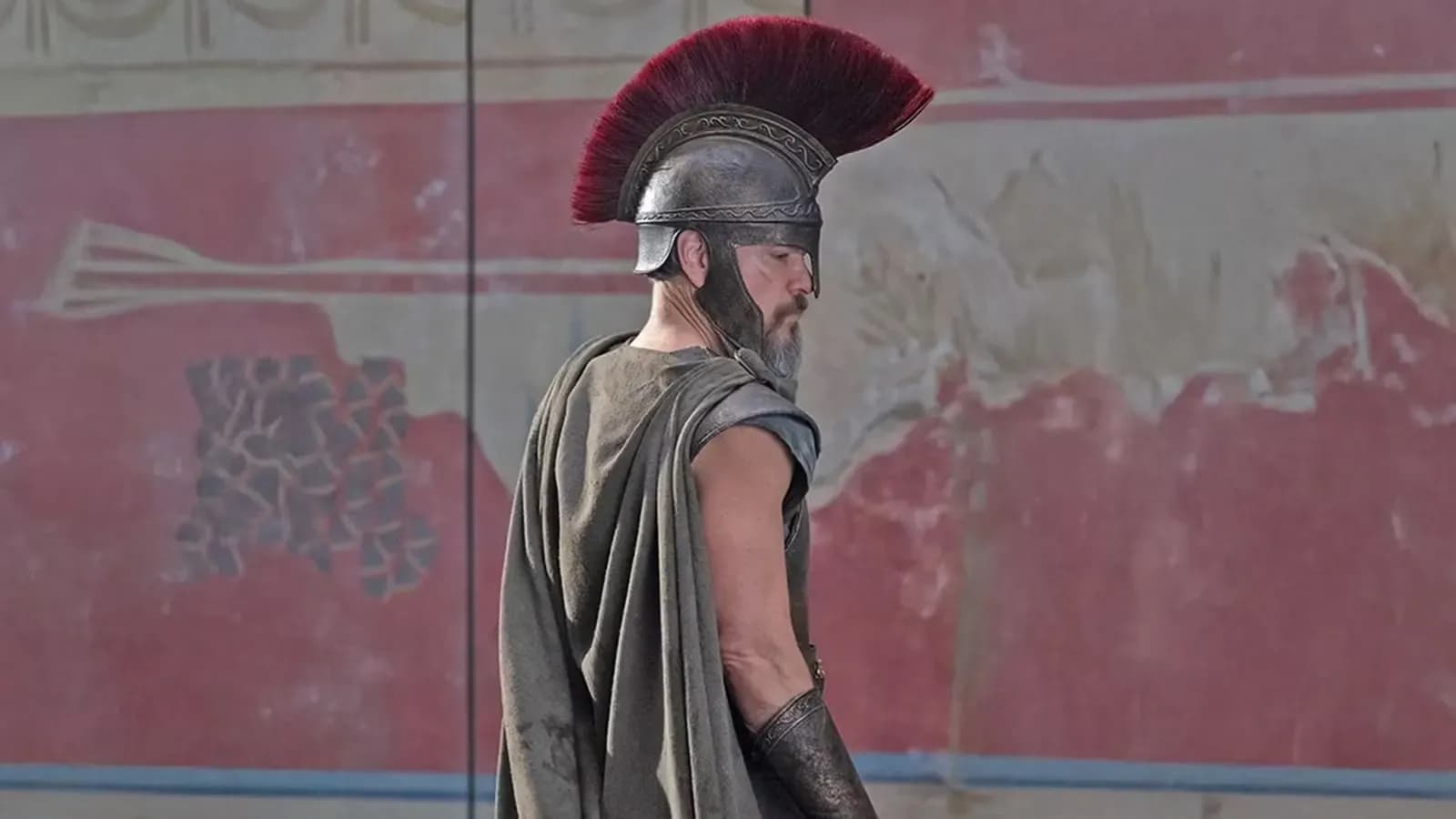
Christopher Nolan's The Odyssey may be his biggest production yet, but it also feels like the inevitable destination of a career built around memory, time, and the impossible journey home.
Every few years, a beloved novel gets adapted into a film. The announcement generates excitement; finally, that book is becoming a movie. And then, more often than not, something goes wrong. The film arrives and feels thin, rushed, or strangely hollow. The characters who felt so vivid on the page seem flat on screen. The story is technically all there, but whatever made the book extraordinary has somehow failed to survive the journey.
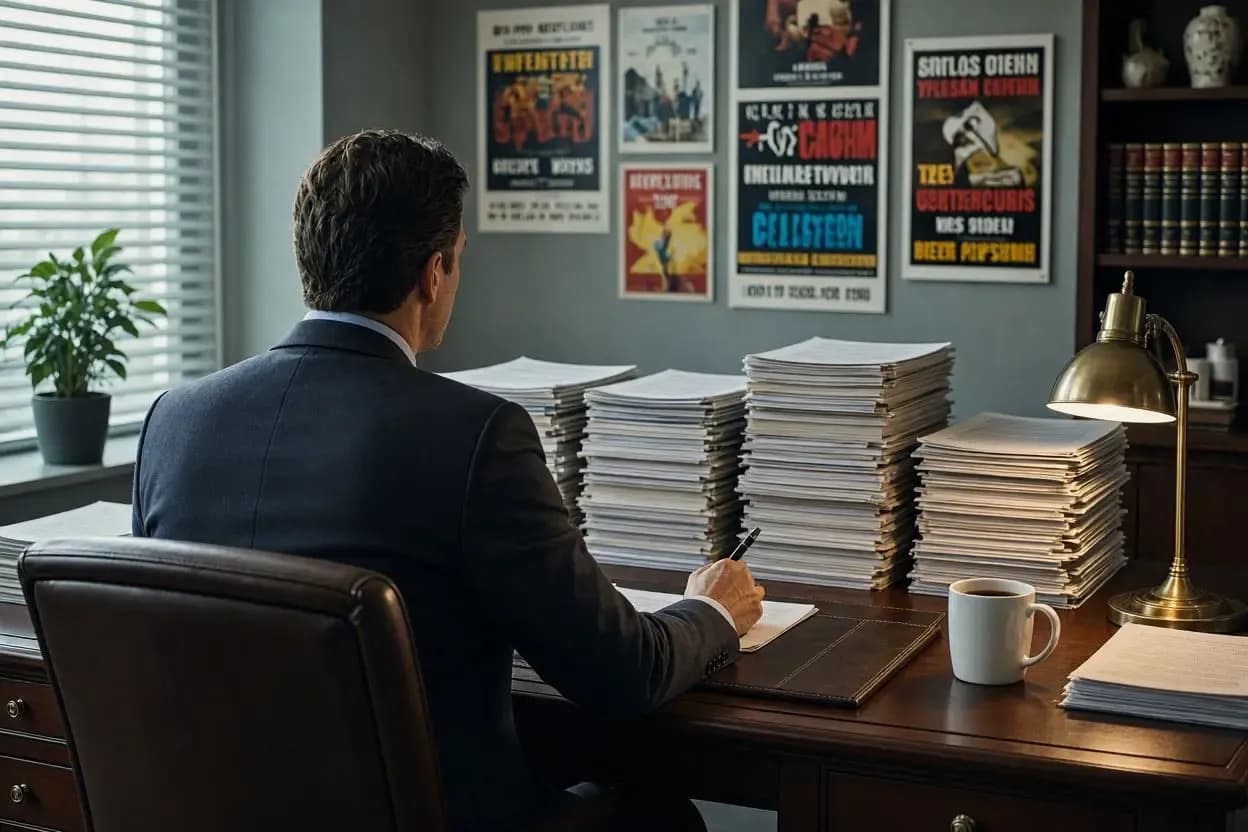
It is Monday morning. Over the weekend, twelve new scripts arrived. Nine more came in the week before. Somewhere in the inbox are scripts that have been waiting since last month, along with a few that have been there even longer. In two hours, the development meeting starts, and there is still a stack of material that nobody has had time to read.