Every writer knows the feeling. The draft is done. The scenes are there. Something still isn't working and you can't see what it is because you're too close to it. That's not a talent problem. That's a distance problem.
Professional script analysis gives you what you can't give yourself: a clear, structured breakdown of what's actually on the page not what you intended to put there.
A Breakdown Is Not a Review
A review tells you what someone thought of your script. A breakdown tells you how it functions. These are completely different things. One gives you an opinion. The other gives you something you can work with. When a screenplay is broken down properly, every layer becomes visible structure, character, conflict, tone. And once something is visible, it can be fixed.
Every story begins with a single keystroke.
What a screenplay actually contains
A professional screenplay is not only dialogue and scenes. It is a layered construction of decisions, tensions, and expectations. When we break down a script, we are not asking whether it is “good” or “bad.” We are examining how it functions. A proper breakdown of a screenplay typically includes:
Estimated runtime
Based on page count and narrative density
Identifies pacing rhythm and compression or expansion of time
Target audience
Art-house, mainstream, genre-specific, hybrid
Determines narrative accessibility and stylistic expectations
Age classification
Emotional maturity level of the story
Themes, violence level, psychological complexity
Character breakdown
Protagonist trajectory
Secondary character function
Relationship dynamics and transformation arcs
Casting profile
Physical and emotional profile of roles
Acting range required (minimalist, theatrical, psychologically complex)
Comparable works
Similar films, literature, or visual references
Helps position the script within cinematic tradition
Dramaturgical breakdown
Act structure
Turning points
Narrative escalation patterns
Conflict architecture
Internal conflict (psychological)
External conflict (social, physical, systemic)
Central dramatic question
Why this breakdown matters?
Once these layers are made visible, the screenplay stops being abstract. It becomes something you can evaluate, test, and improve.
At this stage, the real work begins:
Where does the story lose momentum?
Which character is structurally underdeveloped?
Is the central conflict strong enough to sustain the runtime?
Does the audience alignment match the intended tone?
Only after these questions are answered can a screenplay move to its next phase refinement.
Because writing is not only creation. It is iteration.
From script to cinematic potential
A screenplay is not a finished object. It is a blueprint for transformation.
And like any blueprint, its quality determines everything that follows.
Some of the most important films in cinema history began with scripts that were radically reshaped before production. What separated successful projects from failed ones was not only talent but the ability to see the script clearly before it became a film.
That clarity is what allows a project to evolve beyond its first version.
A practical shift in how scripts are approached
When a screenplay is broken down properly, it becomes possible to elevate it systematically:
Strengthen weak narrative structure
Clarify character motivation
Align tone with target audience
Refine dramatic tension
Identify missing emotional logic
This is the point where craft becomes precision. And precision is what turns writing into filmmaking.
Where melodies turn into stories.
The Tool That Makes This Possible
Poetika was built around exactly this kind of structured breakdown; runtime analysis, character scene mapping, target audience alignment, comparable works, and full dramaturgical breakdown across every key dimension of the script.
It doesn't replace the writer's judgement. It gives the writer something far more valuable: clarity about what is actually on the page, beneath intention, instinct, and imagination.
Because every screenplay carries two versions of itself the one the writer believes they have written, and the one that actually exists in structure. And the distance between those two versions is where most projects succeed or fail.
A proper breakdown doesn’t change the story. It reveals it. It shows where the narrative is strong, where it collapses under its own weight, and where a single structural decision can shift the entire film into something more precise, more intentional, and more alive. This is where writing stops being guesswork and becomes craft. And this is where a screenplay begins to take its first real step toward becoming a film.
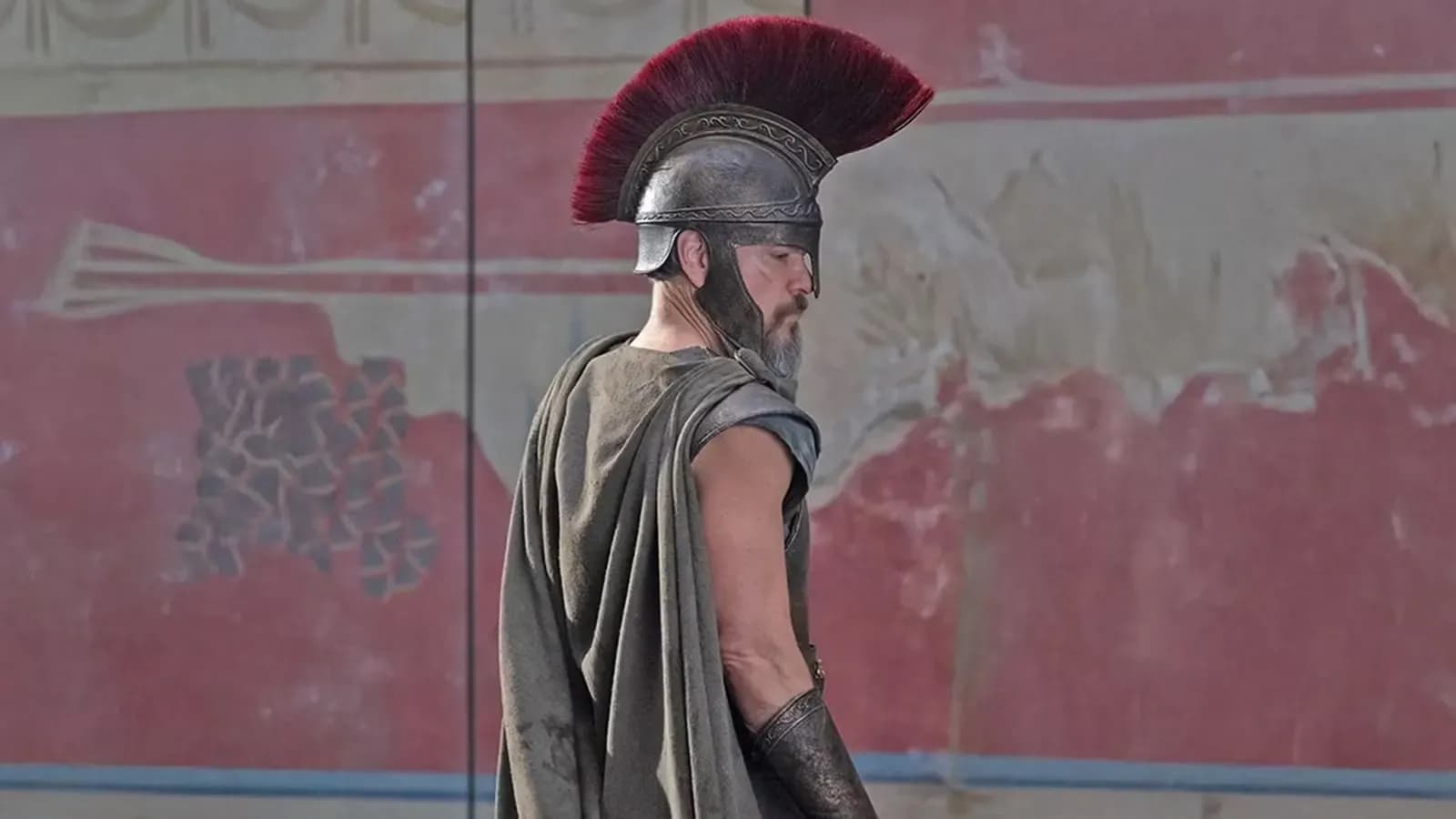
Christopher Nolan's The Odyssey may be his biggest production yet, but it also feels like the inevitable destination of a career built around memory, time, and the impossible journey home.
Every few years, a beloved novel gets adapted into a film. The announcement generates excitement; finally, that book is becoming a movie. And then, more often than not, something goes wrong. The film arrives and feels thin, rushed, or strangely hollow. The characters who felt so vivid on the page seem flat on screen. The story is technically all there, but whatever made the book extraordinary has somehow failed to survive the journey.
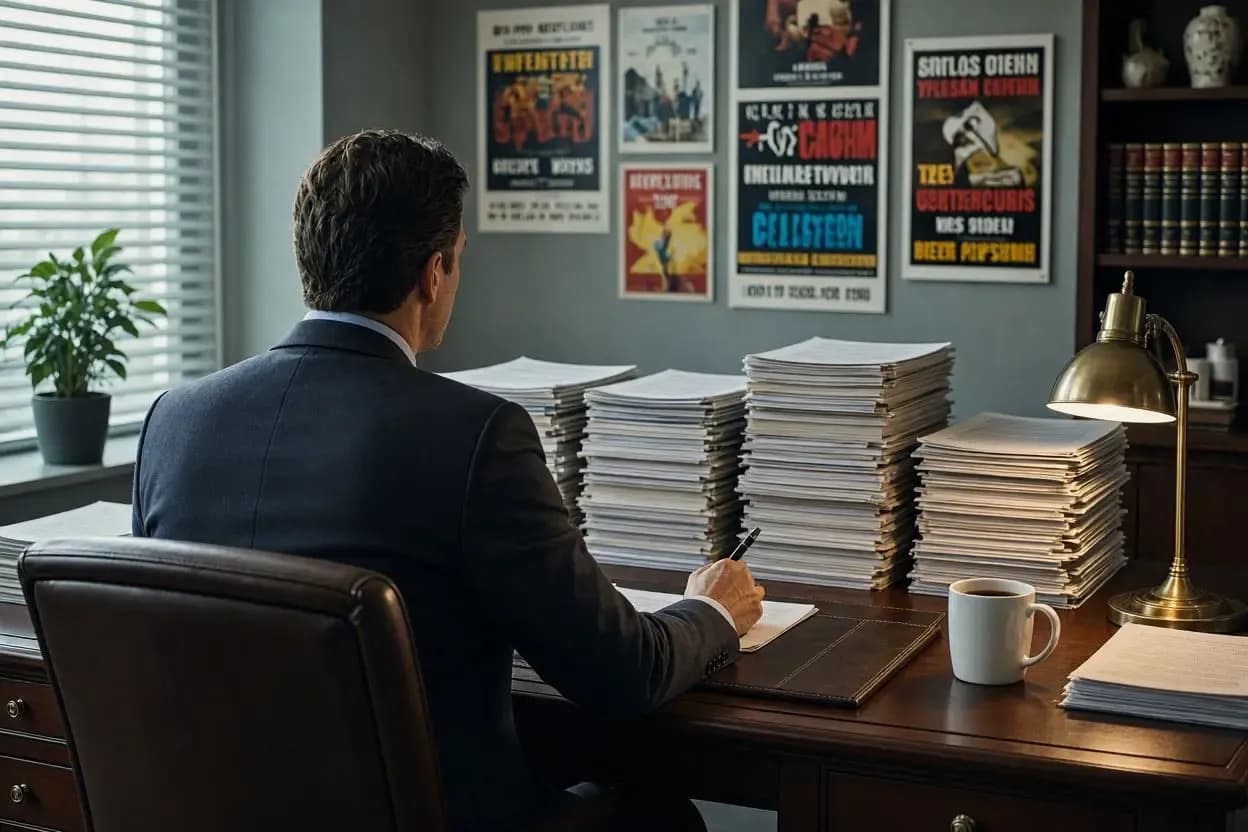
It is Monday morning. Over the weekend, twelve new scripts arrived. Nine more came in the week before. Somewhere in the inbox are scripts that have been waiting since last month, along with a few that have been there even longer. In two hours, the development meeting starts, and there is still a stack of material that nobody has had time to read.