Why Your Script Ends Up in the Trash: Common Mistakes Every Screenwriter Makes
Poetika BlogJune 4, 20248 min read
You've written a script. Maybe two. You've spent months on it; rewriting scenes, adjusting dialogue, getting feedback from friends. And then you send it out, and nothing happens. No response, no meeting, no conversation. Just silence.
It's not always about the idea. Sometimes it's about the craft. And there are specific, recurring mistakes that cause experienced readers to stop reading often within the first ten pages. Not because they're cruel, but because they've seen the same problems hundreds of times and they know what those problems signal.
Here are the most common ones and what to do about them.
1. Your Formatting Is Sending the Wrong Message
Before anyone reads a single line of your dialogue, they look at the page. And a page that doesn't look right immediately signals that the writer hasn't spent enough time in the craft.
The standard is simple: 12-point Courier font, correct margins, proper scene headings. These aren't arbitrary rules; they exist because a correctly formatted page equals roughly one minute of screen time, which means formatting is also a pacing tool. When writers adjust font sizes or margins to manipulate page count, experienced readers notice immediately. It doesn't save you; it flags you.
If you haven't already, use dedicated screenwriting software. Final Draft, Celtx, FadeIn or even the free version of Writer Duet will handle the formatting for you. There's no excuse for getting this wrong.
2. Your Action Lines Read Like a Novel
Screenwriting is not prose fiction. A script is a blueprint; lean, visual, and functional. When action descriptions run into long paragraphs, two things happen: important information gets buried, and the read slows down.
The rule of thumb is three to four sentences per action block, maximum. If you find yourself writing more than that, ask yourself: is all of this information necessary? Can some of it be shown through behavior rather than described?
The best action lines are almost invisible, they move the reader forward without drawing attention to themselves. If yours are drawing attention, they're probably too long.
3. Your Scenes Don't Have Conflict
This is the most common structural mistake, and it's the hardest one to see in your own work.
Every scene in a screenplay needs dramatic tension. Not necessarily a fight or an argument but some form of friction, opposition, or unresolved question. Two characters having a pleasant conversation over coffee is not a scene. Two characters having a pleasant conversation over coffee while one of them is hiding something that's a scene.
Screenwriting is, as the saying goes, "heightened life." Real life is full of uneventful moments. A script cannot afford them. Go through your script scene by scene and ask: what is at stake here? If the answer is nothing, the scene needs work.
4. Your Script Is the Wrong Length
For a feature film, the accepted range is 95 to 110 pages. Below that, the story feels underdeveloped. Above that, the pacing is usually off and the script feels self-indulgent.
A script that lands at 130 pages is not automatically a better script than one at 100 pages. More often, it's a sign that the writer hasn't made the hard editing decisions yet that subplots haven't been trimmed, scenes haven't been tightened, and the story hasn't been fully shaped.
Page count is a symptom, not the disease. But it's one of the first things a reader notices, and it sets expectations before they've read a word.
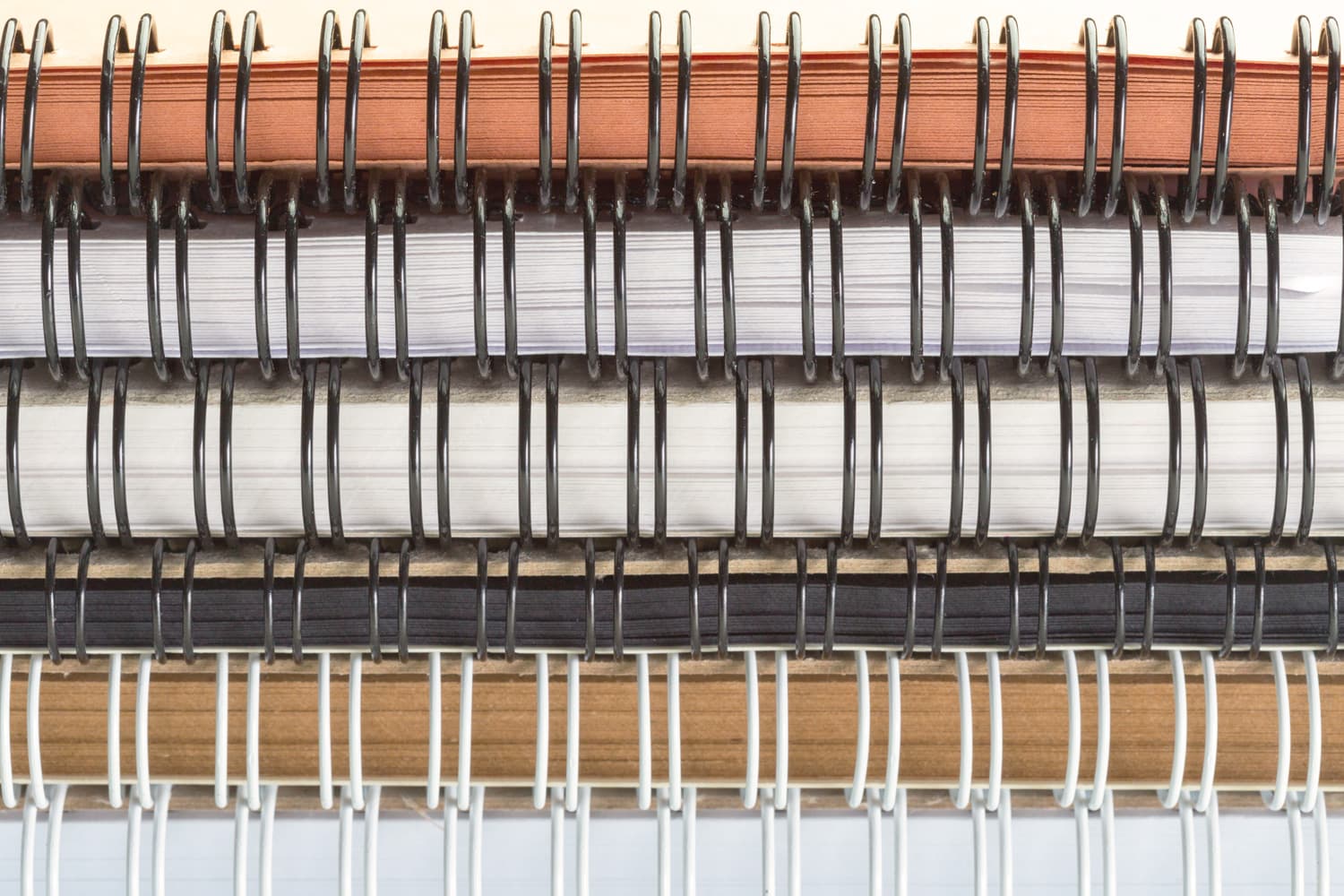
Stack after stack of untold stories. Every great screenplay is born from a mountain of drafts, revisions, and endless brainstorming sessions.
5. Your Script Looks Like a Stage Play
Cinema is a visual medium. If your script has two or more pages of pure dialogue with no action, no movement, no visual storytelling it stops feeling like a film and starts feeling like a transcript.
This doesn't mean dialogue is bad. Great screenwriting is full of great dialogue. But every exchange between characters should be grounded in physical space. Where are they? What are they doing? What does the room tell us about them? These details are not decoration they are part of the story.
If you find long dialogue-only sections in your script, ask yourself: what is happening visually while these characters speak? The answer should be something.
6. You Wrote Without Thinking About the Audience
This is the mistake that even experienced writers make. You had an idea, you fell in love with it, you wrote it. But you never stopped to ask: who is this for? Where does it live? What films does it sit alongside?
Producers think about this constantly. They are not just evaluating whether a script is well-written they are evaluating whether it fits a market, a platform, a genre, an audience. A script without a clear sense of its own place in the landscape is much harder to sell, regardless of its quality.
This is where understanding your target audience, your comparable films, and your genre positioning becomes essential not as a commercial compromise, but as a creative tool. Knowing who your film is for helps you make better decisions about everything from tone to structure to casting.
If you're not sure how your script positions itself in the market, Poetika's analysis can map this out for you target audience, age rating, comparable films, genre profile. It's the kind of context that used to require a consultant, available before you send a single email to a producer.
7. You Asked a Producer to Sign an NDA
This deserves its own entry because it is, in the eyes of most industry professionals, an immediate dealbreaker.
Asking a producer to sign a Non-Disclosure Agreement before reading your script signals that you don't understand how the industry works and it puts the producer in a legal and administrative situation they simply won't accept. Most production companies have strict policies against unsolicited material for exactly this reason.
The correct approach is the opposite: ask the production company if they have a submission process, or if there is an NDA they require you to sign. You are the one asking for their time. Act accordingly.
8. Your Script Has Technical Errors
Inconsistent scene headings. Spelling mistakes. Grammar errors. A PDF with missing page numbers.
These things seem small. They are not small. They tell the reader that the writer didn't care enough to check their own work which raises an immediate question: if they didn't care about this, what else didn't they care about?
Before sending your script anywhere, read it again. Then read it again. Then have someone else read it. Technical sloppiness is entirely avoidable, and there is no reason to let it undermine work you've spent months on.
9. Your Script Looks Right But Isn't
Screenwriting software makes it easy to produce a document that looks exactly like a professional script. Correct font, correct margins, correct formatting. A hundred pages, properly structured.
And yet, many scripts that look right are missing the essential elements of storytelling pacing that builds and releases tension, characters who change, scenes that earn their place. The format is the surface. What's underneath is what matters.
This is the gap between a script that looks finished and a script that is finished. And it's a gap that's very hard to see from the inside. Which is exactly why feedback real, specific, structural feedback is not optional. It's the step that separates the scripts that get read from the scripts that don't.
10. You Sent Your First Draft
This is the most expensive mistake on this list not in money, but in opportunity.
A first draft is a beginning. It's where you find out what the story is. A second draft is where you start to shape it. A third draft is where it begins to become something someone else can read. Most scripts are not ready for industry eyes until the third draft at the earliest and even then, only after they've been read by people who will tell you the truth.
Sending a raw draft to a producer doesn't just risk a rejection. It risks closing a door permanently. Producers remember the scripts they read. A script that arrives too early can poison a relationship before it begins.
Poetika was designed for exactly this stage. To give you the honest, structural feedback that turns a promising draft into a script that is actually ready. Before you send your script anywhere, upload it. Get the structural analysis what's working, what isn't, where the momentum breaks, where the characters lose clarity. Use that feedback to rewrite. Then rewrite again. And when you finally send it to a producer, you're not sending a first draft with a polished cover letter. You're sending a script that has been tested, challenged, and refined.
That's the difference between a script that ends up in the trash and one that ends up on a producer's desk.
The craft of screenwriting takes time. The mistakes above are not signs of failure — they are signs of a writer who is still learning. Every professional screenwriter has made all of them. The ones who broke through are the ones who found out what wasn't working, fixed it, and tried again.
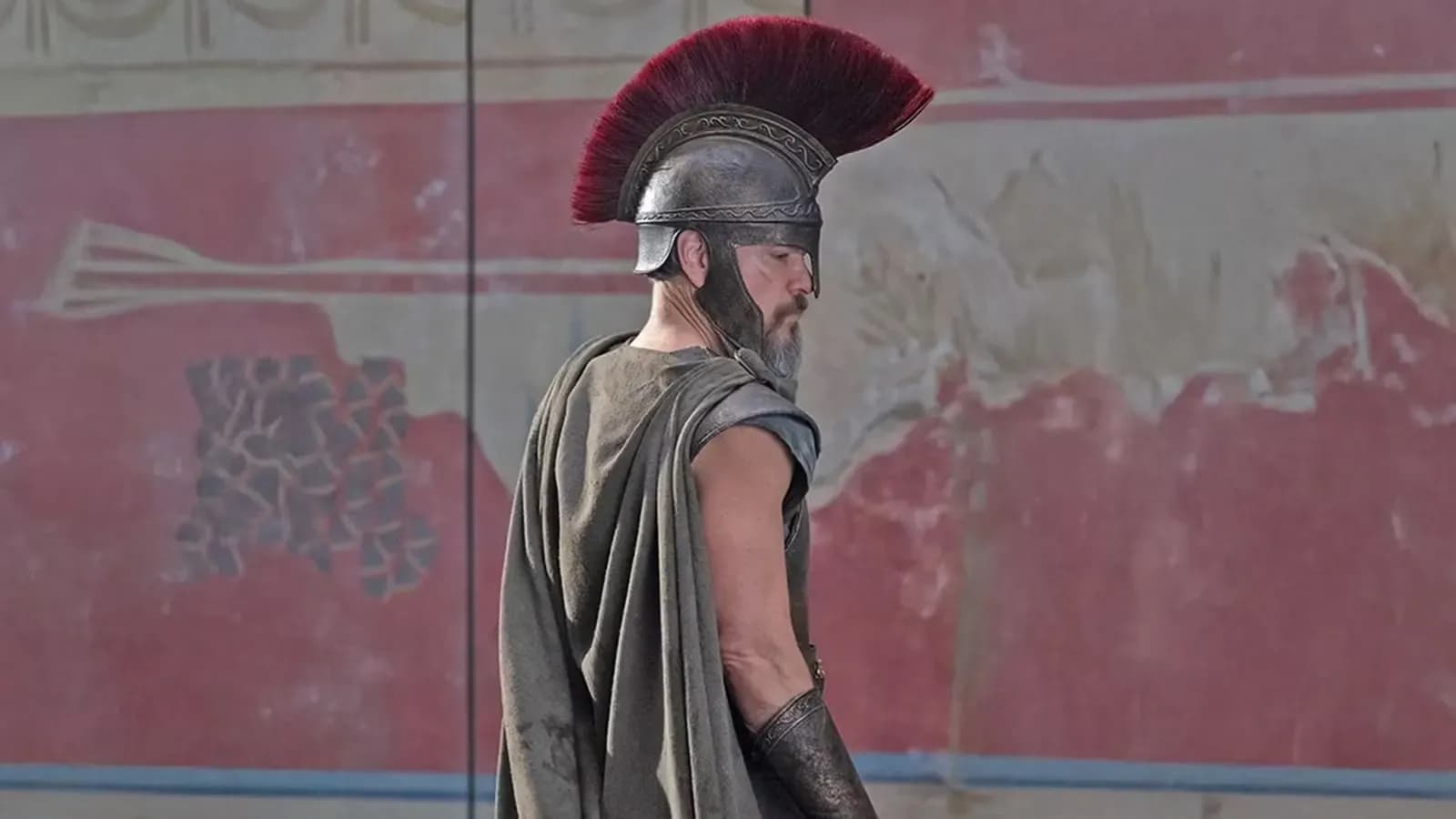
Christopher Nolan's The Odyssey may be his biggest production yet, but it also feels like the inevitable destination of a career built around memory, time, and the impossible journey home.
Every few years, a beloved novel gets adapted into a film. The announcement generates excitement; finally, that book is becoming a movie. And then, more often than not, something goes wrong. The film arrives and feels thin, rushed, or strangely hollow. The characters who felt so vivid on the page seem flat on screen. The story is technically all there, but whatever made the book extraordinary has somehow failed to survive the journey.
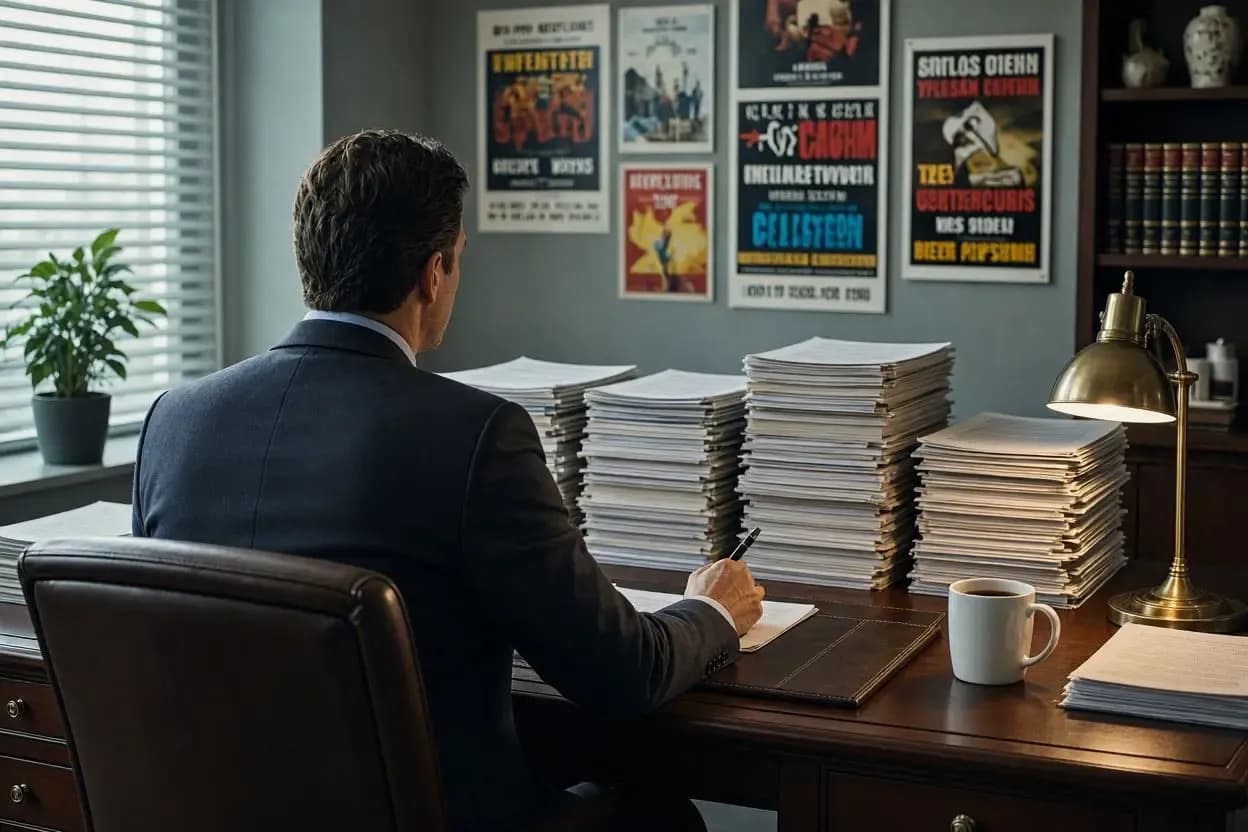
It is Monday morning. Over the weekend, twelve new scripts arrived. Nine more came in the week before. Somewhere in the inbox are scripts that have been waiting since last month, along with a few that have been there even longer. In two hours, the development meeting starts, and there is still a stack of material that nobody has had time to read.