The Screenwriter's Glossary: 30 Essential Terms Every New Writer Must Know
A complete reference for the vocabulary of the craft from the first slug line to the final fade out.
Guide su sceneggiatura, filmmaking, struttura narrativa e analisi delle sceneggiature.
A complete reference for the vocabulary of the craft from the first slug line to the final fade out.

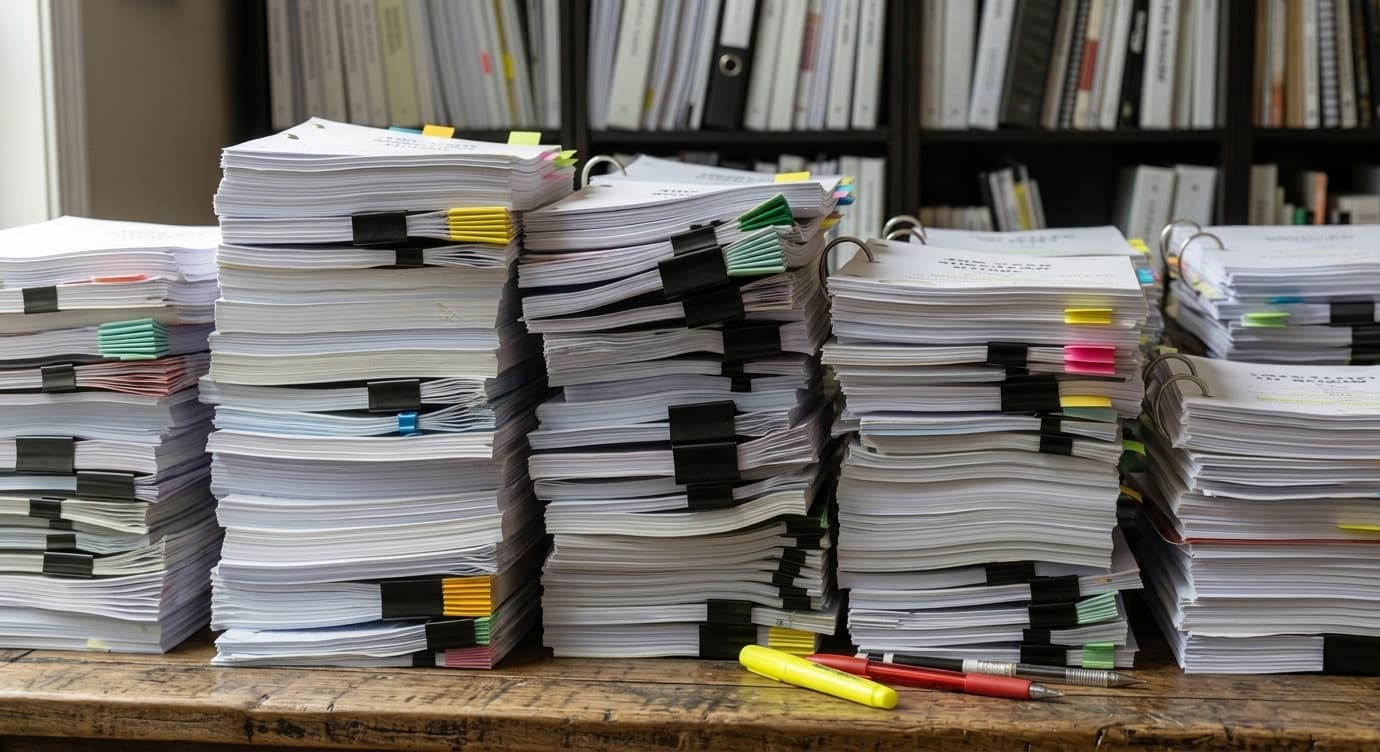
Every week, a busy production company can receive up to twenty scripts. Some arrive through agents, some through open submissions, some through personal connections. They all come with the same implicit request: read me, consider me, say yes.

A screenplay is not a short text. It is a 100 to 150 page document, often written over weeks, months, sometimes years. It carries characters, locations, time jumps, dialogue systems, and narrative continuity across dozens, sometimes hundreds of scenes.
You sent the draft to three people you trust. A close friend who loves films. A colleague who writes. Maybe a family member who has always been your most enthusiastic reader. They came back with variations of the same response: they loved it. A few small notes here and there a line of dialogue that felt off, a scene they wanted more of but overall, they thought it was great. Really great.

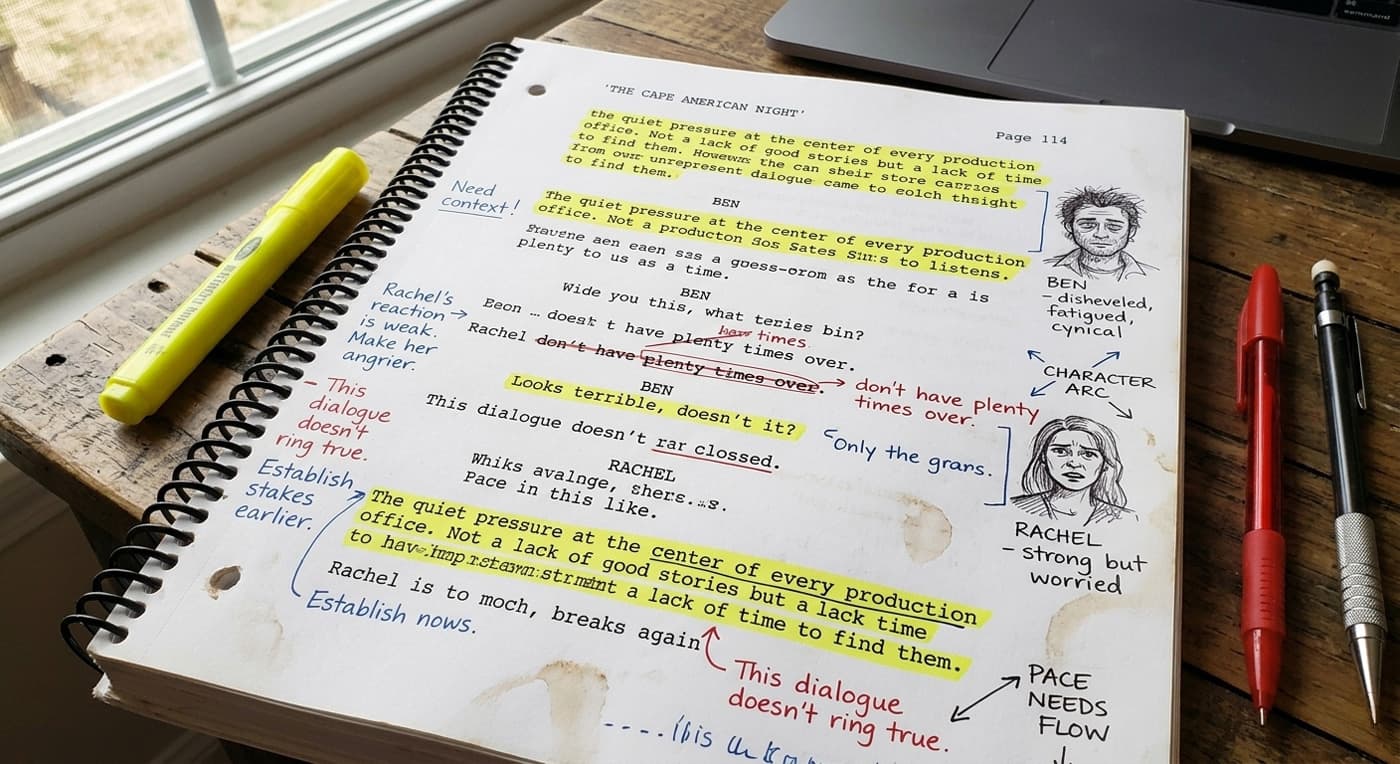
Every writer knows the feeling. The draft is done. The scenes are there. Something still isn't working and you can't see what it is because you're too close to it. That's not a talent problem. That's a distance problem.

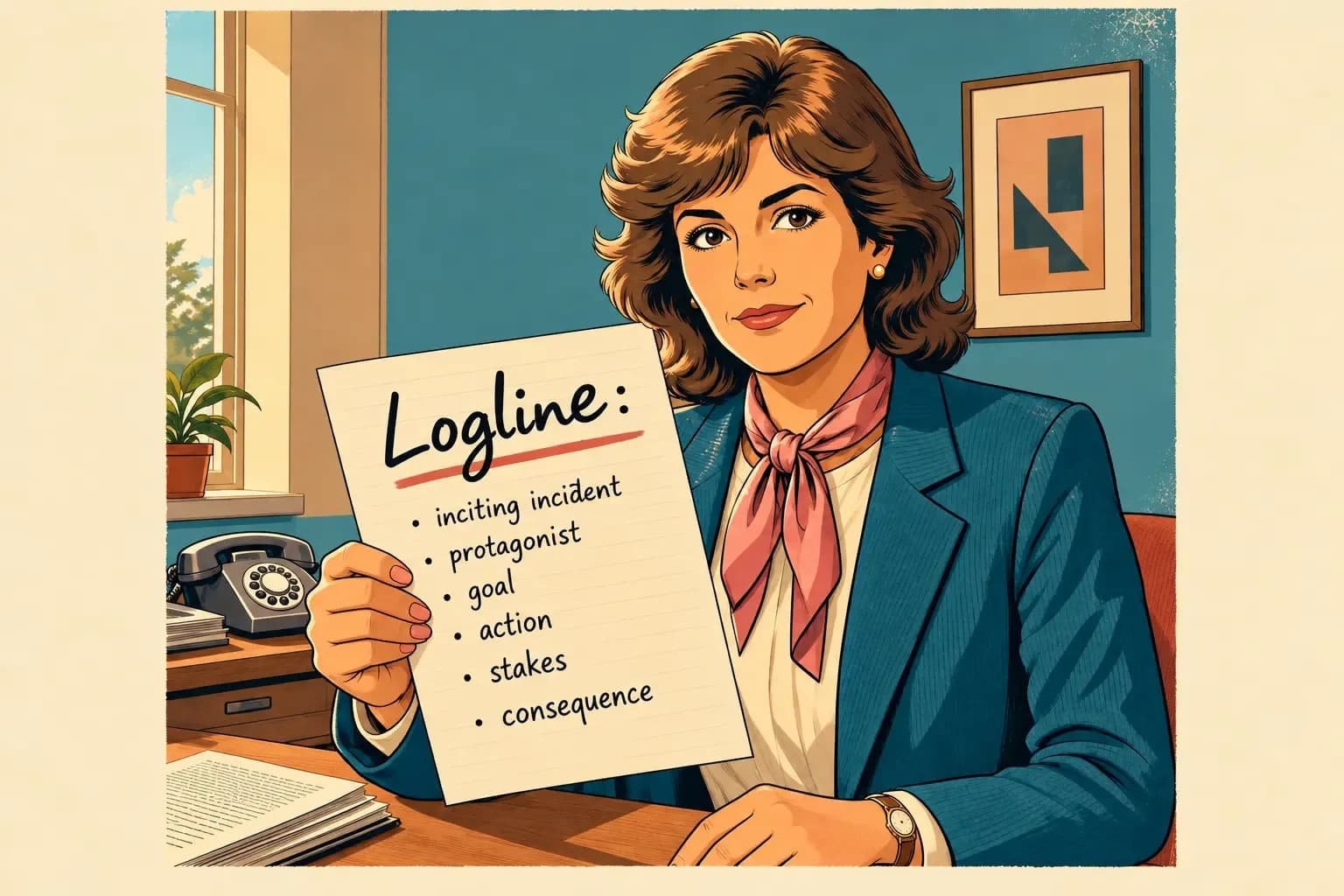
Most screenwriters spend months, sometimes years, writing a screenplay. Then, somewhere between a festival deadline, a funding application and a producer submission, they remember they also need a synopsis. The synopsis is usually written in a hurry. It becomes a practical necessity rather than a creative task — a document to complete, not a document to craft. Yet this overlooked text may determine the fate of a screenplay more often than the screenplay itself.

You spent months on your script. Prepared your presentation and walked into that room or joined that call and gave everything you had.

Finalmente avete scritto FADE OUT. La struttura sembra solida, i dialoghi funzionano sullo schermo e la sceneggiatura sembra “pronta”. Ma una sceneggiatura non vive sulla pagina. Vive nella voce. La vera prova inizia nel momento in cui le vostre parole lasciano il silenzio del vostro computer ed entrano in una stanza piena di voci umane. Nel cinema e nella televisione, questo momento viene chiamato script read o table read ed è spesso il momento in cui una sceneggiatura viene salvata in silenzio o, al contrario, rivela silenziosamente le proprie debolezze.
Explore a complete sample analysis and understand the feedback format.