Screenwriting & Storytelling

Blog

Guides on screenwriting, filmmaking, story structure and script analysis.

9 posts
RSS

9 results found

🎬

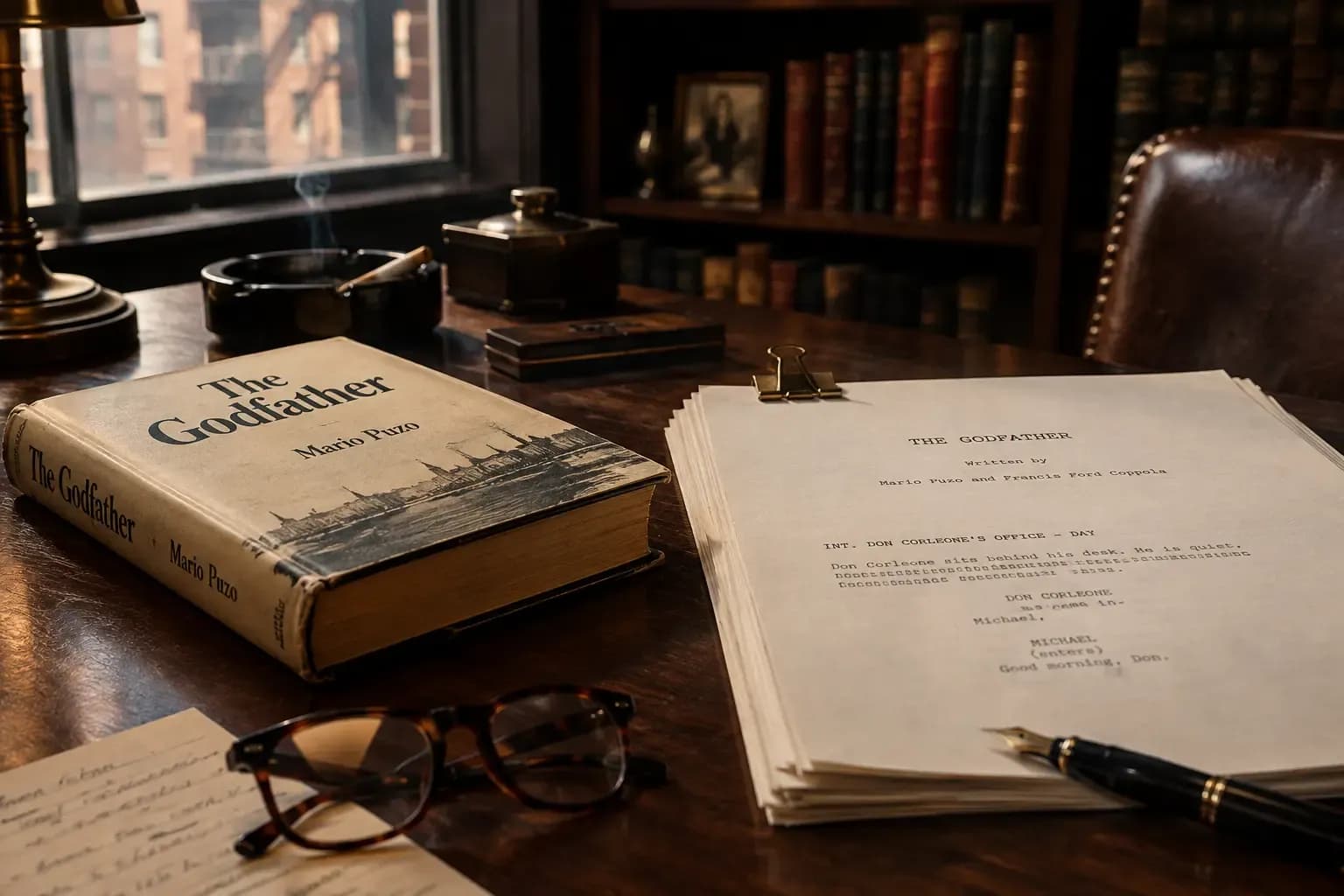
Why a Great Novel Doesn't Always Make a Great Screenplay

Every few years, a beloved novel gets adapted into a film. The announcement generates excitement; finally, that book is becoming a movie. And then, more often than not, something goes wrong. The film arrives and feels thin, rushed, or strangely hollow. The characters who felt so vivid on the page seem flat on screen. The story is technically all there, but whatever made the book extraordinary has somehow failed to survive the journey.

July 7, 202612 min
Read
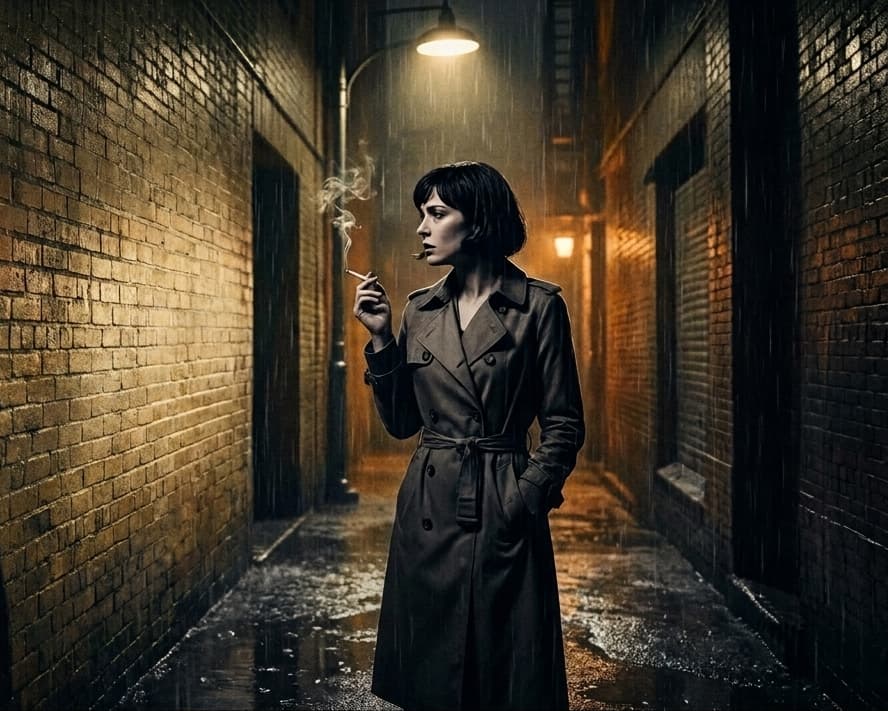
A photograph of a woman with short dark hair, dressed in a belted, double-breasted trench coat, standing alone in a narrow, wet brick alleyway at night. She is holding a lit cigarette, with a curl of smoke visible, and looking off to the side, away from the camera. The alley is darkly lit, with the main light coming from a single overhead streetlamp, and rain is falling. The cobblestones are slick with rain, showing reflections.

The World Is Corrupt and Nobody Gets Out Clean: Writing Film Noir

There is a moment in Billy Wilder's Double Indemnity when Walter Neff, sitting alone in a darkened office, bleeding out from a gunshot wound, dictates his confession into a recording machine. He knows he is dying. He knows he has been played. And he tells the whole story anyway not because it will save him, but because there is a certain dignity in naming exactly how you destroyed yourself.

March 10, 202616 min
Read
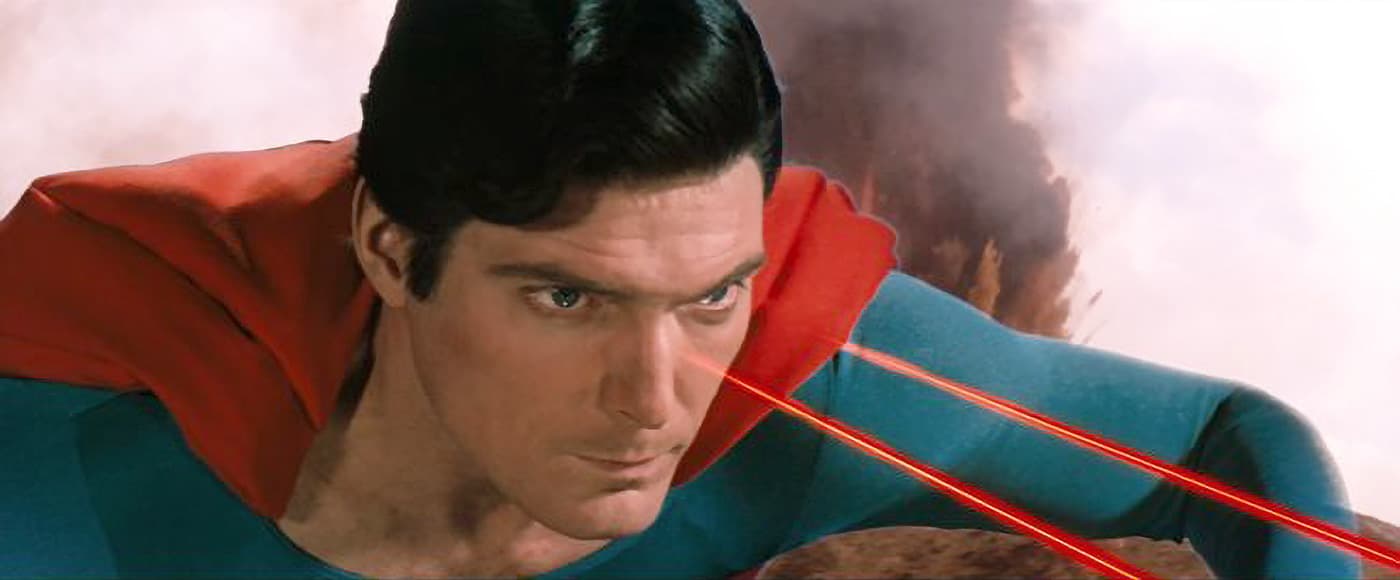
Close-up of Superman flying and using his heat vision with glowing red laser beams from his eyes.

The Mechanics of Storytelling: Understanding Deus Ex Machina

There is a familiar feeling every viewer recognizes, even if they do not have a name for it. A film is nearing its final act. The characters are trapped. The story has tightened itself into a corner. The outcome seems inevitable. And then suddenly something happens. An event, a revelation, a character, or a force arrives from outside the logic of the narrative and resolves what the story itself has not resolved.

August 19, 20256 min
Read
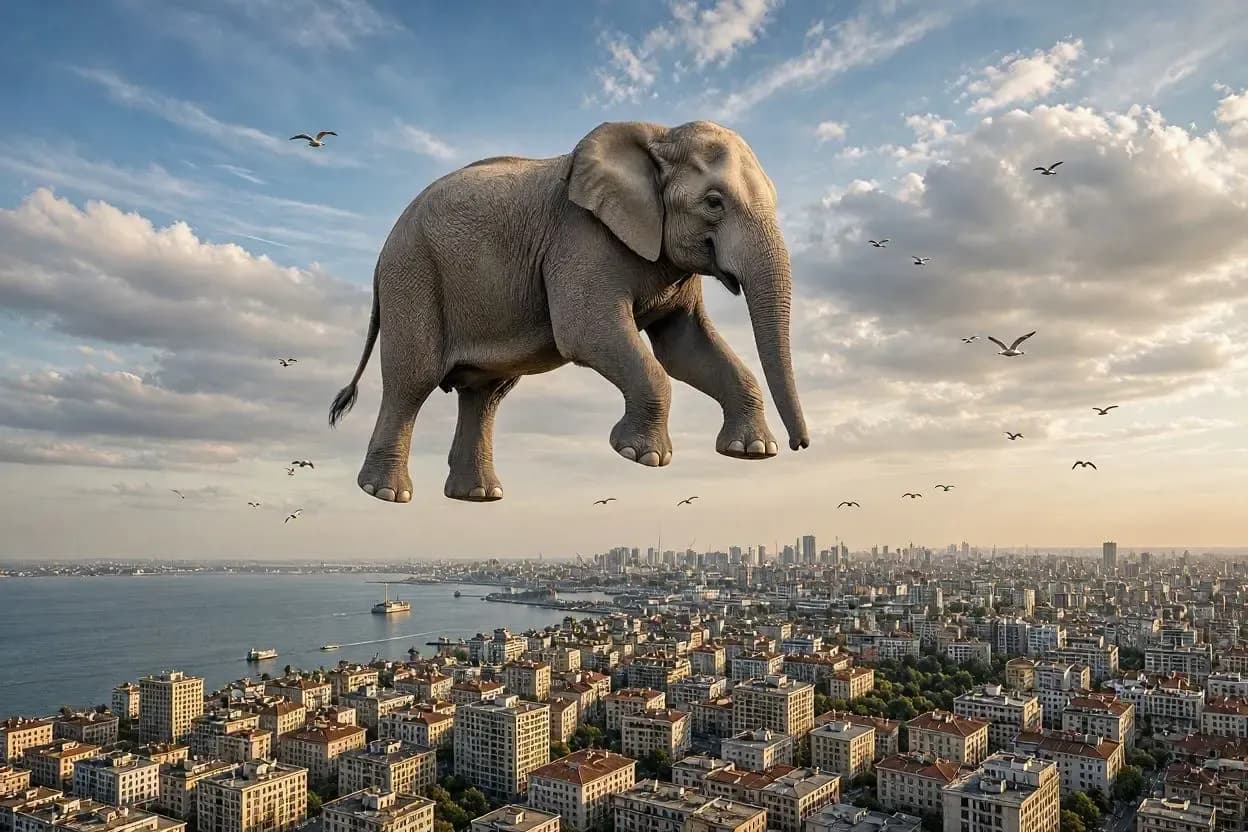
A realistic photo manipulation of a large Asian elephant floating high in the partly cloudy sky above a sprawling, dense city next to a body of water. Numerous seagulls are flying around the floating giant and over the urban landscape. Below, a complex mix of classical and modern buildings, a distant modern skyline, and a small boat on the water are visible. The sky is partly cloudy with warm, golden light on the horizon. The scene has a wondrous, surreal quality.

The Ordinary Extraordinary: Deconstructing Magical Realism in Literature

When a rain of yellow flowers falls over a town following the death of an old man, no one in Gabriel García Márquez's Macondo calls a scientist, panics, or questions the laws of physics. They sweep the petals off the porch and carry on with their morning. This moment captures the defining paradox of magical realism: a literary mode where the miraculous is treated with matter-of-fact indifference, and the mundane is observed with awe.

July 22, 20259 min
Read
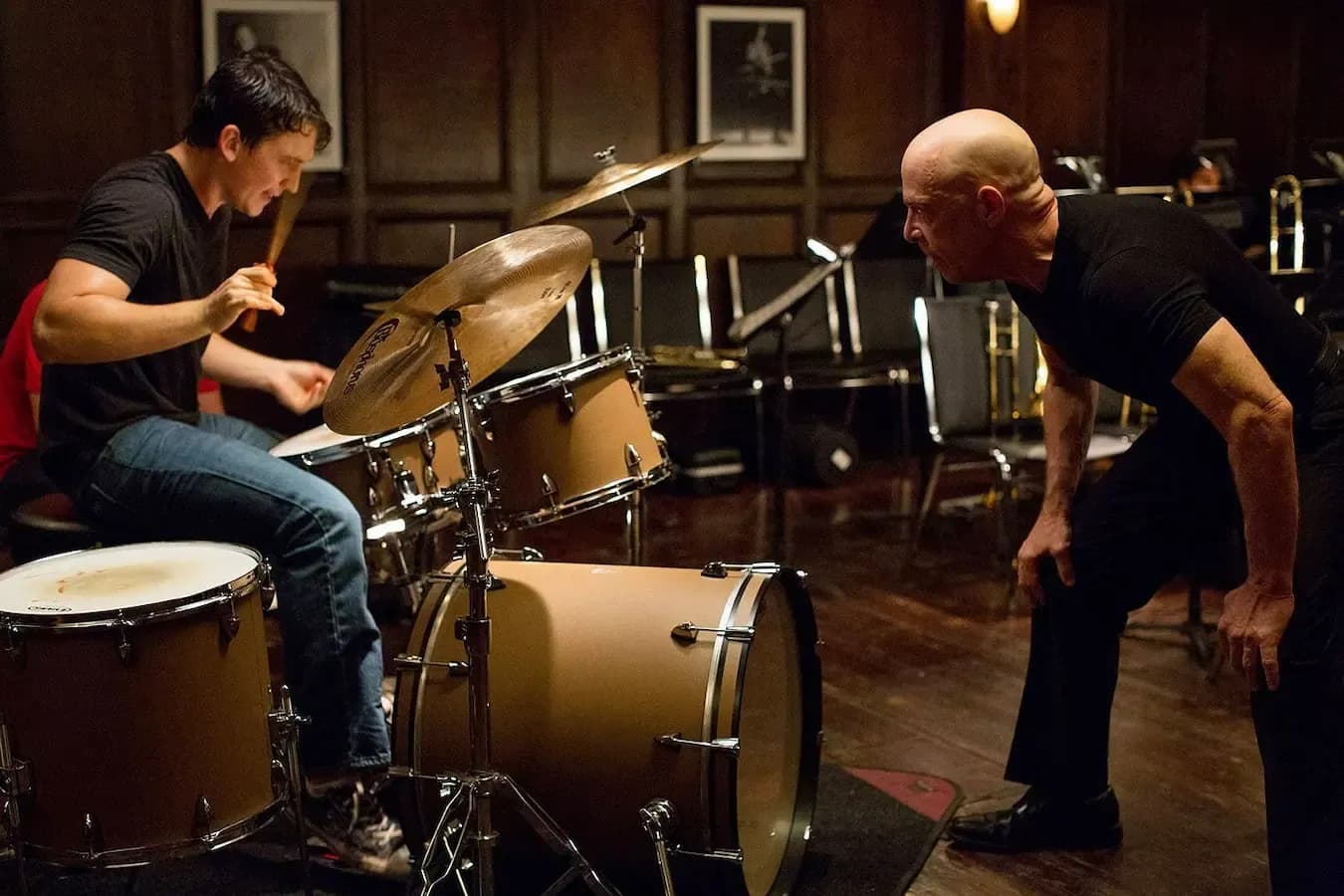
A demanding music instructor closely watches a young drummer during an intense rehearsal, illustrating conflict, pressure, and personal transformation.

The Invisible Structure Behind Every Great Character: Understanding Character Arc

Think of a film that stayed with you long after the credits rolled. Not because of its plot twists or visual effects, but because of what happened to the person at its center. The way they started as one thing and ended as something else or the way the story made you desperately wish they had. That experience has a name: character arc. And it is the single most important structural element separating characters who feel alive from characters who merely function.

June 10, 202511 min
Read

Analyze your script with Poetika

Get instant feedback on your screenplay in minutes.

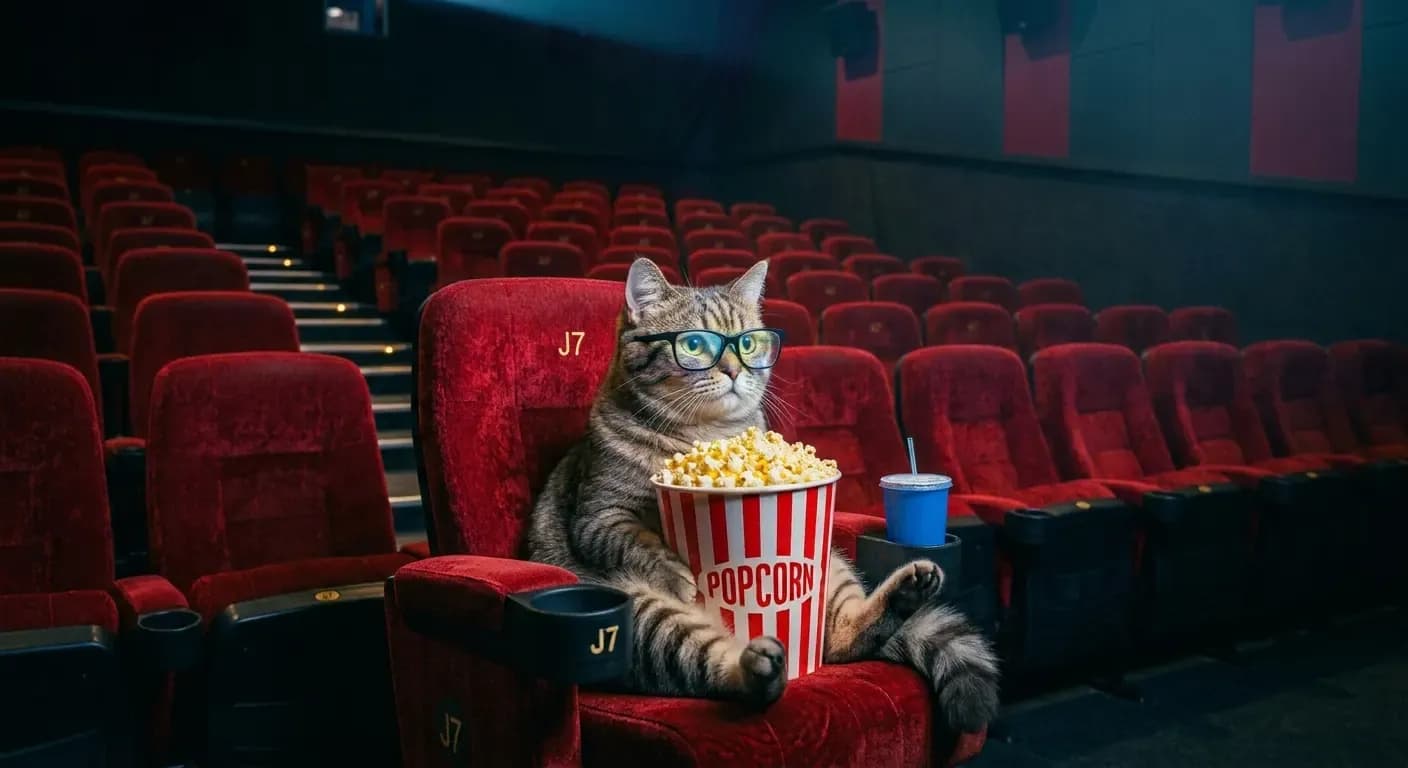
A full-body view of a domestic tabby cat wearing square-framed spectacles, sitting in a red velvet cinema seat in an empty, darkened theater. The cat is holding a large, red-and-white striped bucket of "POPCORN" on its lap with its front paws, and a blue cup with a straw is in the cupholder next to it.

Save the Cat: The Screenwriting Technique That Changed How Hollywood Thinks About Characters

How long does it take for you to decide whether you care about a character? Not whether you find them interesting. Not whether you want to know what happens to them. Whether you genuinely "care" the kind of care that makes you lean forward in your seat, that makes the stakes feel real, that keeps you invested for two hours even when the plot gets complicated.

May 6, 202511 min
Read
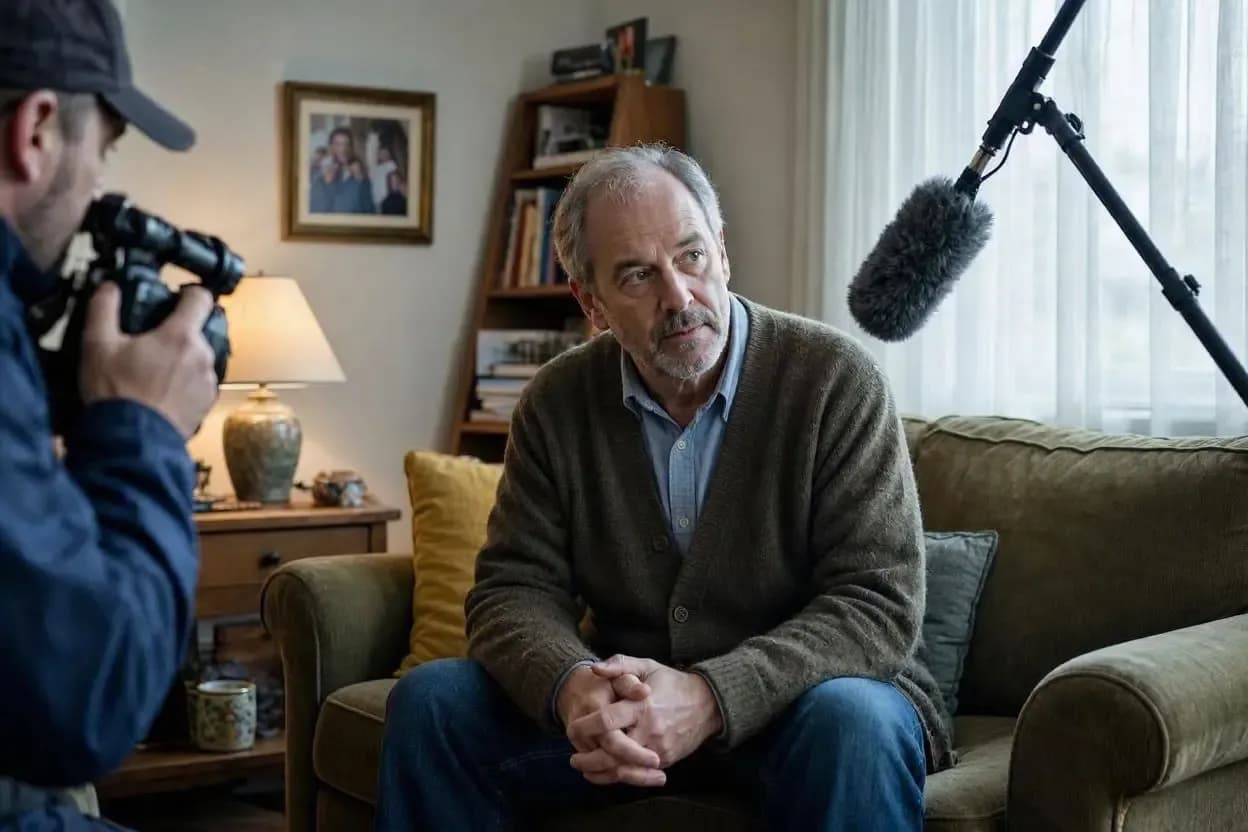
A middle-aged man sitting on an armchair during an indoor documentary-style interview, with a camera operator filming him from the left foreground and a boom microphone hanging overhead.

Everyone Is Performing for a Camera Nobody Else Can See: Writing Mockumentary

There is a camera in the room. Everyone knows it is there. And yet nobody acknowledges it directly at least not in the way you would acknowledge a stranger standing in the corner of your living room. The characters go about their lives, argue with their colleagues, confess their secrets, and pursue their goals, all while being filmed by a crew they have apparently agreed to let follow them around indefinitely.

November 19, 202413 min
Read

How Poetika Works?

Explore a complete sample analysis and understand the feedback format.