Senaryo & Hikaye Anlatıcılığı

Blog

Senaryo yazımı, film yapımı, dramatik hikaye yapısı ve senaryo analizine dair rehberler.

43 yazı
RSS
An overhead photograph of a vintage mint-green typewriter on a rustic wooden desk, surrounded by a notebook, pens, a coffee cup, and a stack of yellow books. Modern digital writing and creative software logos are clearly placed on the typewriter paper and notebook, contrasting tradition with technology.

The Modern Screenwriter's Desk: Tools for Writing, Research, and Development

There is a romantic image of the screenwriter at work: a typewriter, a stack of paper, a pot of coffee, and nothing else. For much of the twentieth century, that image was not just romantic, it was accurate. Writing meant sitting down with an idea and a blank page. Research happened in libraries. Revisions happened by hand. Feedback came from other people, often weeks or months later.

15 Temmuz 202515 dk
Oku
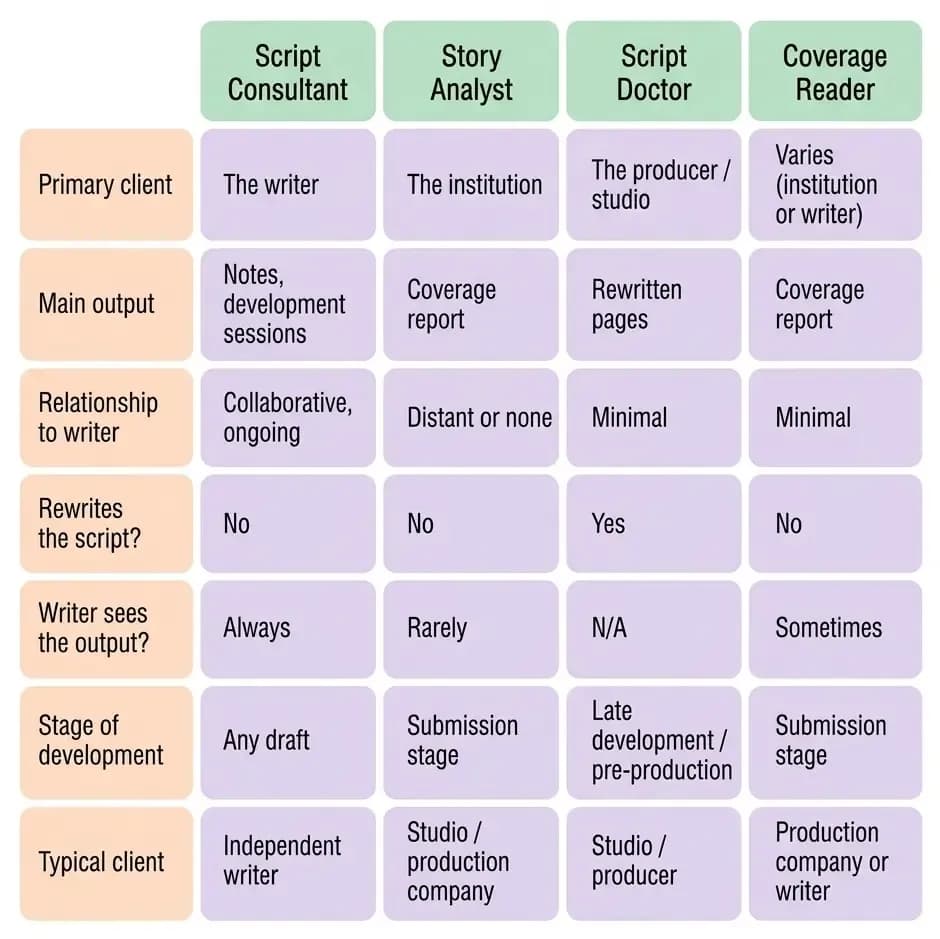
A comparison table showing the differences between four screenplay industry roles: Script Consultant, Story Analyst, Script Doctor, and Coverage Reader, evaluated across seven criteria including primary client, main output, relationship to writer, and stage of development.

Script Consultant, Story Analyst, Script Doctor, Coverage Reader: What's the Difference?

If you have spent any time trying to get feedback on your screenplay, you have encountered a confusing array of titles. Script consultant. Story analyst. Script doctor. Coverage reader. They all, in some sense, read scripts for a living. They all offer some form of feedback or evaluation. And they all cost different amounts of money for reasons that are not always clearly explained.

24 Haziran 20257 dk
Oku
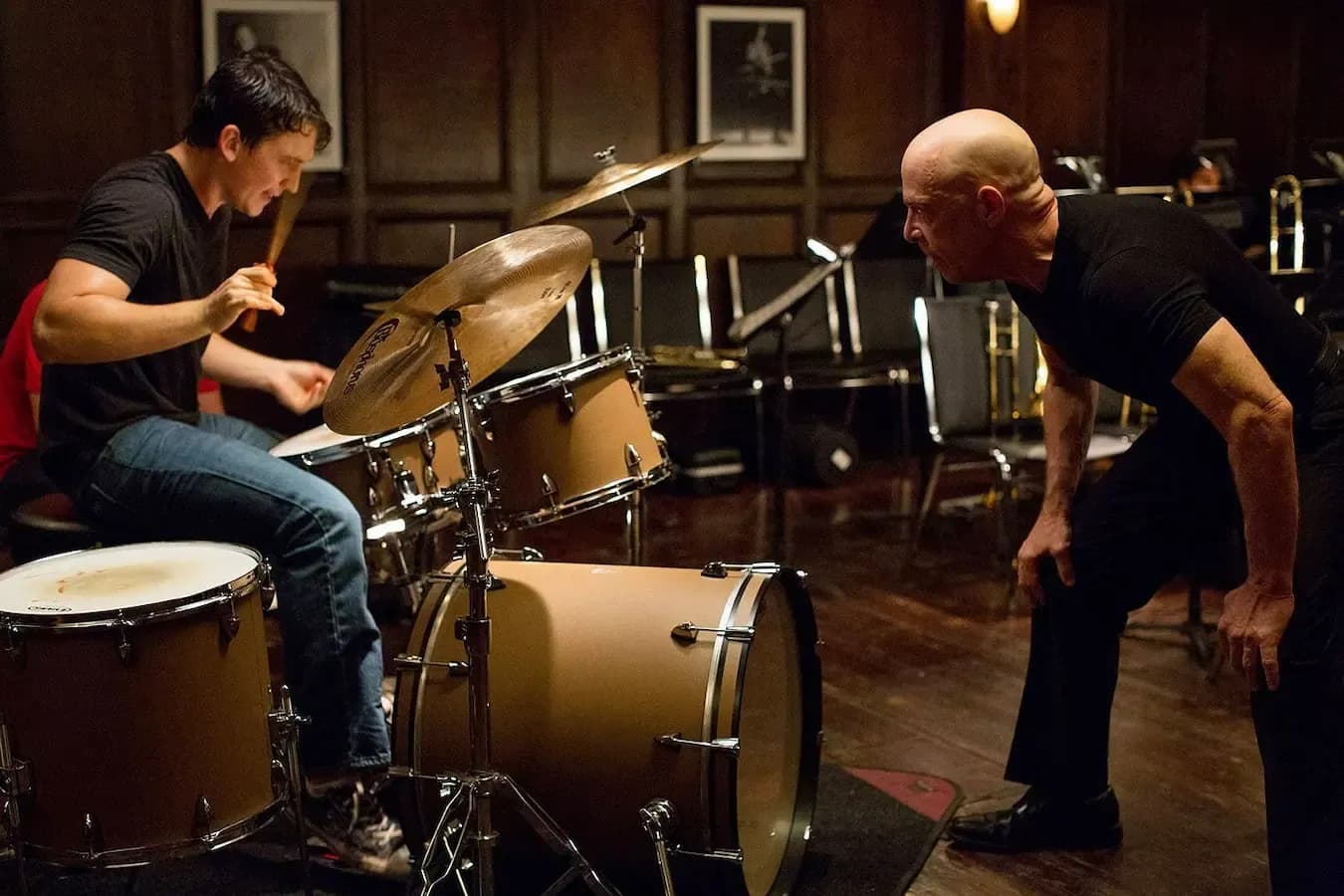
A demanding music instructor closely watches a young drummer during an intense rehearsal, illustrating conflict, pressure, and personal transformation.

The Invisible Structure Behind Every Great Character: Understanding Character Arc

Think of a film that stayed with you long after the credits rolled. Not because of its plot twists or visual effects, but because of what happened to the person at its center. The way they started as one thing and ended as something else or the way the story made you desperately wish they had. That experience has a name: character arc. And it is the single most important structural element separating characters who feel alive from characters who merely function.

10 Haziran 202511 dk
Oku
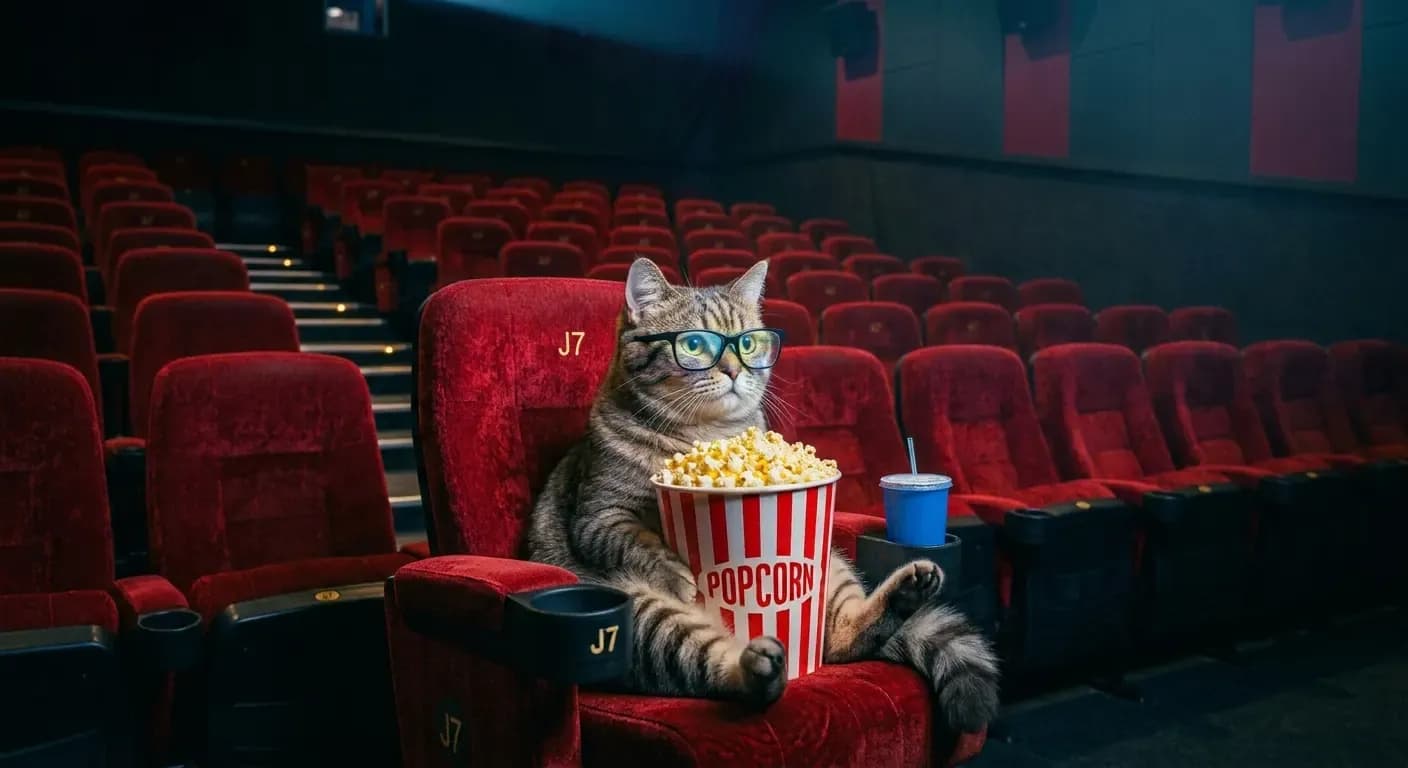
Kare çerçeveli gözlük takan, evcil bir tekir kedinin karanlık ve boş bir sinema salonunda kırmızı kadife bir sinema koltuğunda oturduğu tam boy görünüm. Kedi, ön patileriyle kucağında büyük, kırmızı-beyaz çizgili bir “POPCORN” (patlamış mısır) kovası tutuyor. Yanındaki bardaklıkta ise pipetli mavi bir içecek bardağı bulunuyor.

O Kediyi Kurtar (Save the Cat): Hollywood'un Karakter Anlayışını Değiştiren Senaryo Yazım Tekniği

Bir karakteri sevip sevmeyeceğinize karar vermeniz ne kadar sürer? Onu ilginç bulup bulmadığınız değil, başına ne geleceğini merak etmeniz de değil, onu gerçekten önemsemeniz yani sizi koltuğunuzda öne doğru eğilmeye iten, hikayedeki riskleri gerçek hissettiren ve olay örgüsü karmaşıklaştığında bile iki saat boyunca anlatıya bağlı kalmanızı sağlayan türden bir önemseme.

6 Mayıs 202511 dk
Oku
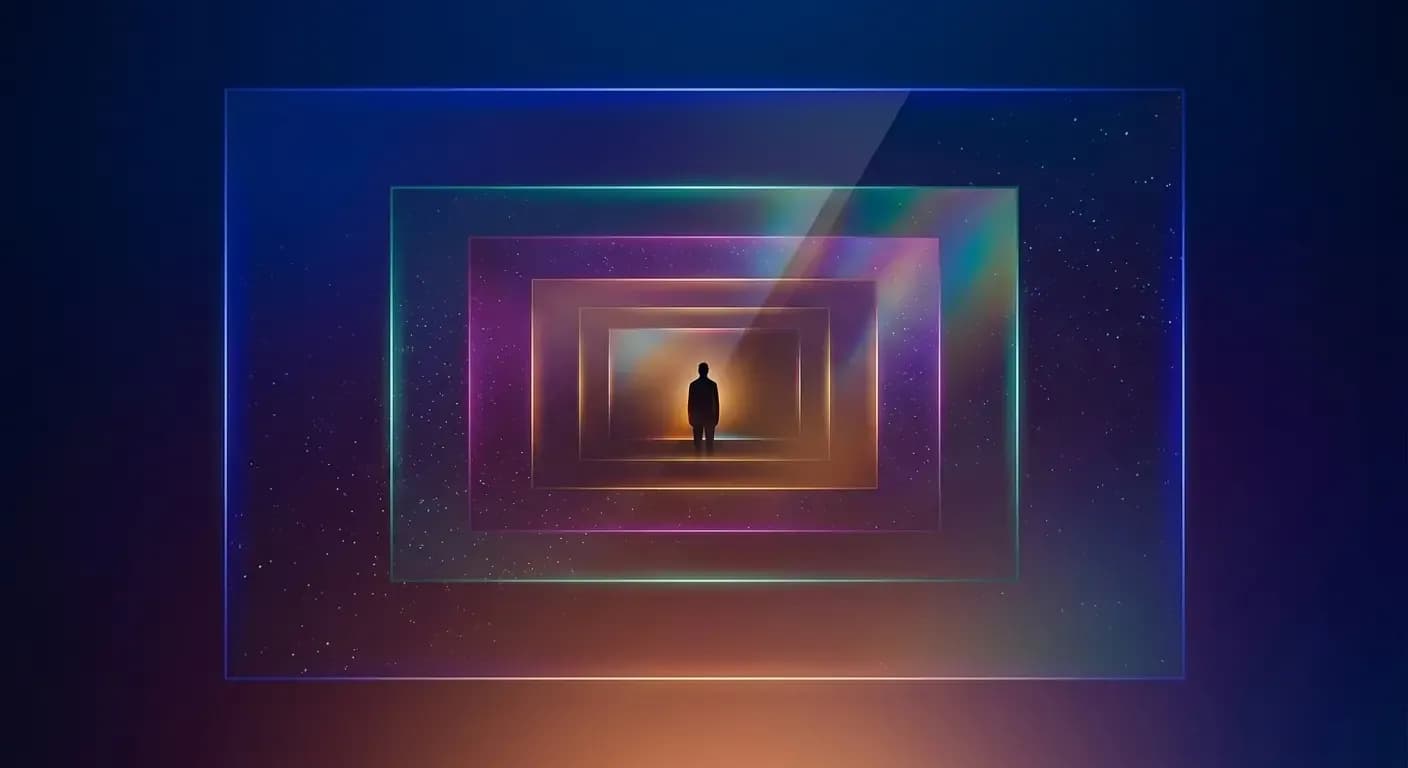
Silhouette of a person standing at the center of nested, glowing neon frames against a starry cosmic background.

The Story Within the Story: The Framing Device

Some stories begin with an event. Others begin with someone choosing to tell it. An elderly woman is asked about a necklace recovered from the ocean. A priest hears the confession of a broken old man. A journalist investigates the final word spoken by a publishing tycoon. Before the central story unfolds, another story quietly establishes the perspective through which everything will be seen. This outer layer is known as the framing device. More than a structural technique, it defines the relationship between the audience and the story itself. It tells us who is speaking, why this story is being told now, and from what emotional or psychological distance we are meant to experience it.

15 Nisan 20257 dk
Oku
A close-up of a vintage typewriter with a white page inserted, the word 'ideas' typed on it

How to Get Your Script Read by Producers: 10 Practical Steps

Every screenwriter reaches the same point eventually. The script is finished or finished enough. The rewrites have been done, the feedback has been incorporated, the logline has been refined. And now comes the part that no screenwriting book adequately prepares you for: getting the thing in front of someone who can actually do something with it.

9 Nisan 202512 dk
Oku

Senaryonuzu Poetika ile analiz edin

Dakikalar içinde senaryonuzu analiz edin.

🎬

The Architecture of a Film Treatment: Building the Structure of Your Screenplay

Every screenwriter knows the feeling. A brilliant movie idea strikes, you open your scriptwriting software, and the urge to type "INT. COFFEE SHOP - DAY" is almost irresistible. But diving into a 120-page screenplay without a plan is like building a house without blueprints: the first thirty pages feel effortless, you hit a wall around page sixty, and the project gets quietly abandoned.

8 Nisan 202511 dk
Oku

How Poetika Works?

Explore a complete sample analysis and understand the feedback format.