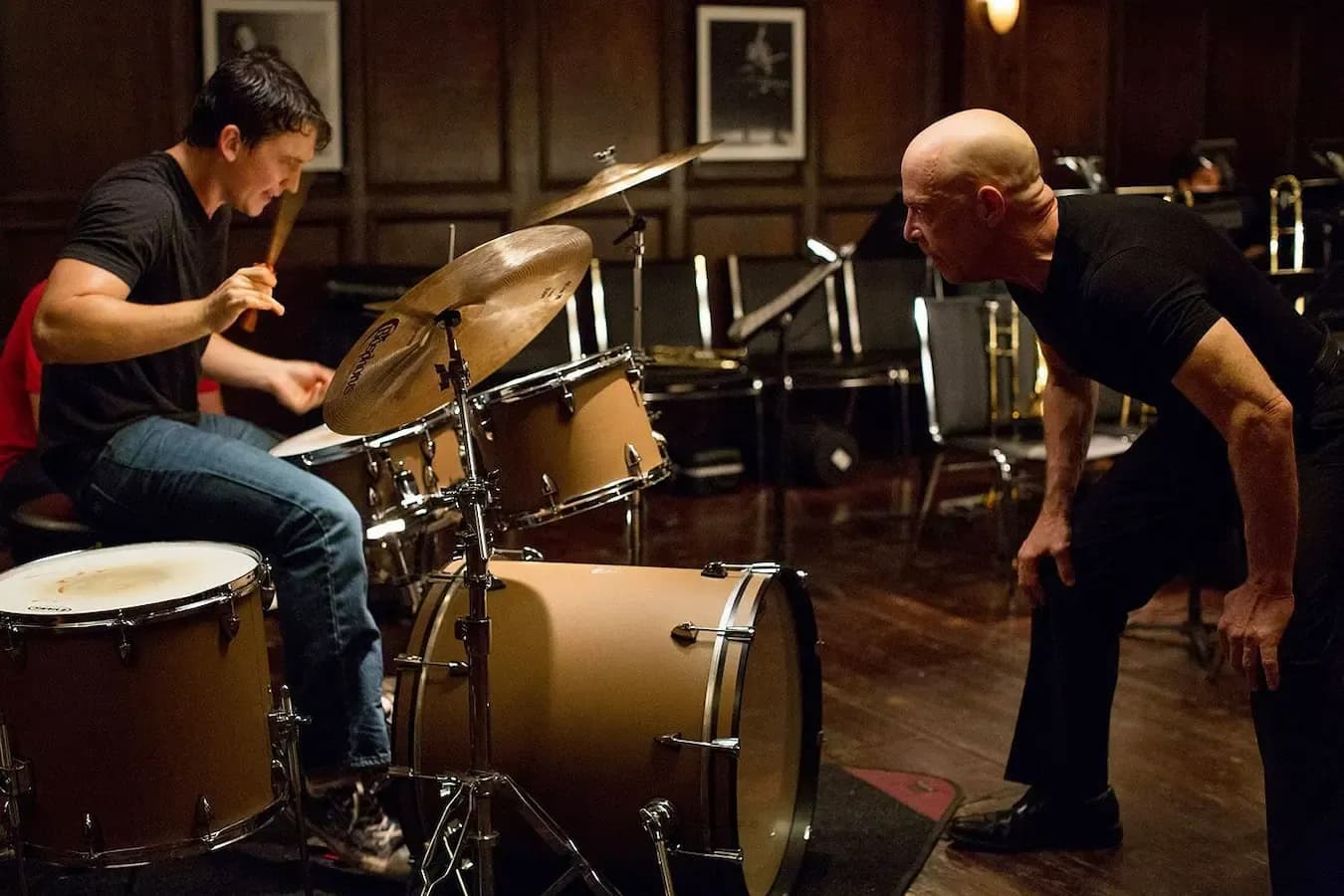
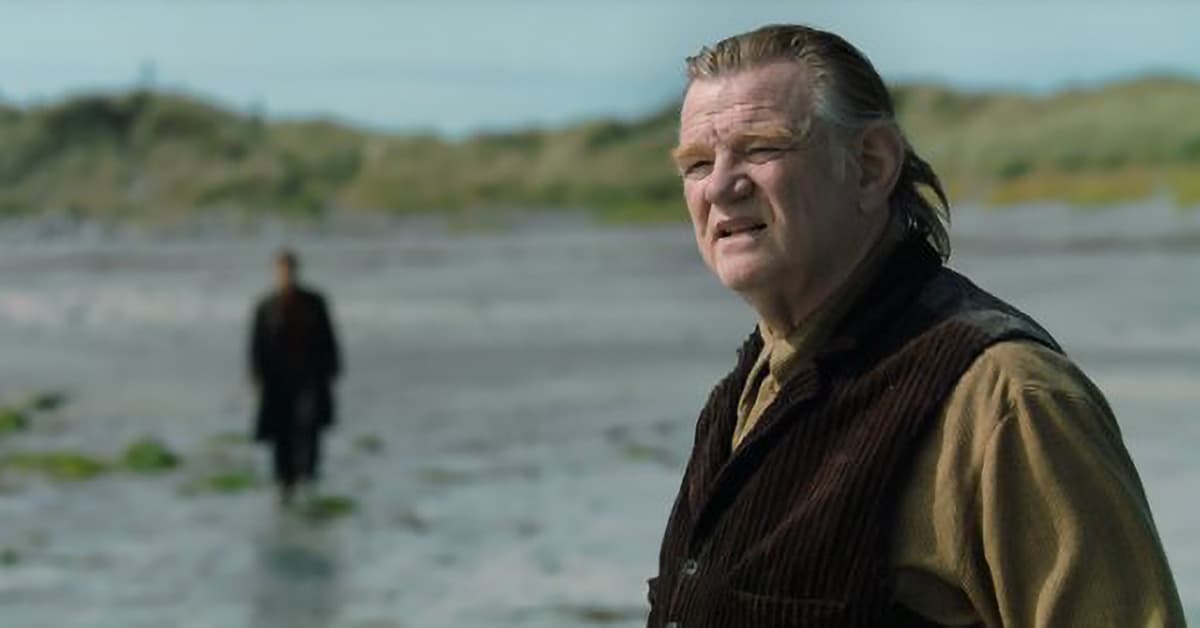
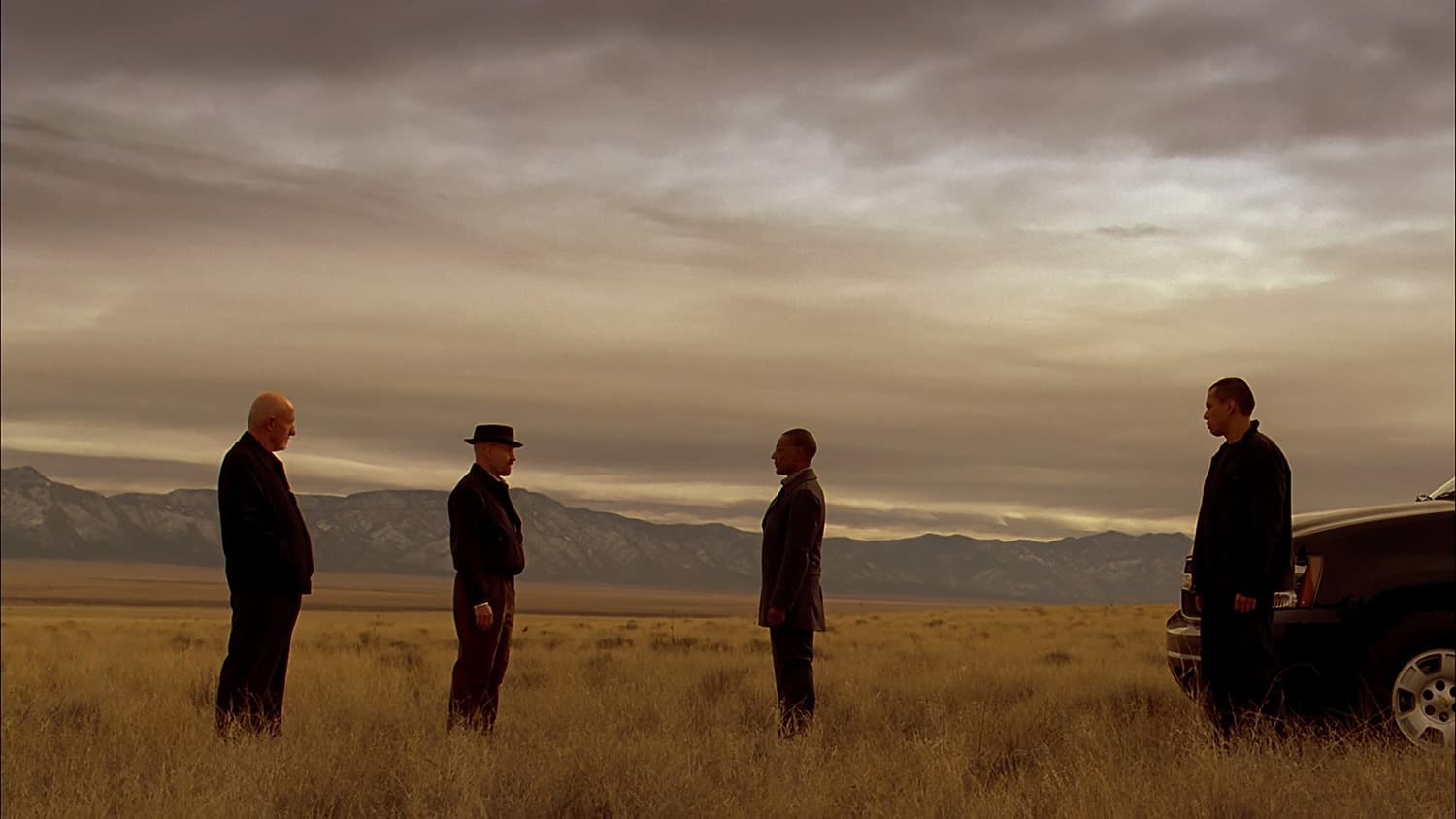
Spoiler note: this guide mentions how several characters' stories end, including in The Dark Knight, The Lord of the Rings, Macbeth and Breaking Bad.
Character archetypes are recurring patterns of character that appear across stories, cultures and centuries: the Hero who leaves home, the Mentor who teaches, the Shadow who opposes, the Trickster who disrupts. An archetype describes what a character wants at the deepest level and what job they do in the story. It is a starting shape, not a finished person.
That distinction is what separates an archetype from a cliché. A cliché is a specific, worn-out detail: the wise old mentor who dies right after passing on his knowledge. An archetype is the underlying pattern that the cliché copies badly. Audiences recognize archetypes instantly, which is why they are useful: they let a screenwriter establish a character's role in a few scenes and spend the rest of the script making that character surprising.
This guide explains where the idea comes from, lists 34 character archetypes in three groups with film examples, and ends with practical ways to use them without writing stereotypes.
Where do character archetypes come from?
The modern idea comes from the Swiss psychiatrist Carl Jung, who argued that humans share a collective unconscious: a set of inherited images and patterns that surface in myths, dreams and religions around the world. Jung wrote about figures such as the Shadow, the Wise Old Man, the Great Mother, the Child and the Trickster.
Three later writers turned Jung's ideas into tools that writers use today:
- Joseph Campbell, whose book The Hero with a Thousand Faces traced a shared "monomyth" through world mythology, the pattern now known as the hero's journey.
- Christopher Vogler, whose book The Writer's Journey adapted Campbell for screenwriters and named a core cast of story functions: Hero, Mentor, Threshold Guardian, Herald, Shapeshifter, Shadow, Ally and Trickster.
- Carol S. Pearson, whose twelve-archetype model, later applied to branding in The Hero and the Outlaw with Margaret Mark, is the source of most popular "12 Jungian archetypes" lists. Jung himself never named those twelve.
The list below draws on all of these, plus working terms such as the Foil and the Anti-Hero.
The 12 core character archetypes
These are the archetypes defined mainly by inner drive: what the character wants from life. Most protagonists and antagonists are built on one of them.
- The Hero. Driven by courage and a purpose larger than themselves; proves their worth through action. Luke Skywalker in Star Wars (1977).
- The Mentor or Sage. Knows what the hero doesn't and prepares them for the road ahead, but cannot walk it for them. Gandalf in The Lord of the Rings.
- The Shadow. The dark mirror of the hero, embodying everything the hero fears becoming. Darth Vader in the original Star Wars trilogy.
- The Lover. Driven by passion and connection, willing to risk everything for another person. Jack and Rose in Titanic (1997).
- The Rebel or Outlaw. Rejects the rules of the system and forces it to change or crack. Randle McMurphy in One Flew Over the Cuckoo's Nest (1975).
- The Creator. Driven by a vision that must be made real, often at a personal cost. Remy, the rat who wants to cook, in Ratatouille (2007).
- The Caregiver. Protects and sacrifices for others, sometimes to the point of neglecting themselves. Molly Weasley in the Harry Potter films.
- The Ruler. Seeks order, control and responsibility for a kingdom, family or company. Mufasa in The Lion King (1994).
- The Innocent. Faces the world with trust and optimism, and often exposes the cynicism of others. Forrest Gump (1994).
- The Explorer. Driven by freedom and discovery; restless in the ordinary world. Indiana Jones in Raiders of the Lost Ark (1981).
- The Jester or Fool. Uses humor to relieve tension and say the truths nobody else will. Donkey in Shrek (2001).
- The Everyman. An ordinary person in extraordinary circumstances, standing in for the audience. Arthur Dent in The Hitchhiker's Guide to the Galaxy (2005).
The Hero and the Shadow deserve special attention, because they map onto the two roles every story needs. We cover how those two positions work, and why the protagonist isn't always good, in protagonist and antagonist explained.
The 12 supporting and catalyst archetypes
These archetypes are defined less by inner drive and more by their function in the plot. Many come from Vogler's list; they describe what a character does to the hero rather than who the character is.
- The Herald. Delivers the call to adventure, the news or message that sets the story in motion. R2-D2 carrying Princess Leia's message in Star Wars.
- The Threshold Guardian. Blocks the way into the new world and tests whether the hero is ready. The Bridgekeeper and his three questions in Monty Python and the Holy Grail (1975).
- The Shapeshifter. A character whose loyalty or nature keeps changing, so the hero and the audience can never be sure of them. Severus Snape in the Harry Potter series.
- The Trickster. Creates chaos and mischief, puncturing pride and upsetting plans. Loki in Thor (2011).
- The Foil. A contrasting character who throws the lead's qualities into relief. Mercutio's mocking wit against Romeo's lovesick earnestness in Romeo and Juliet.
- The Catalyst. Changes the people around them without changing much themselves. Amélie in Amélie (2001), quietly rearranging the lives of her Paris neighbors.
- The Confidant. The person the hero can speak to honestly, which turns inner thoughts into dialogue. Horatio in Hamlet.
- The Contagonist. A term from Dramatica theory for a character who tempts the hero off course rather than opposing the goal directly. Dramatica's own analysis casts Darth Vader as contagonist in Star Wars, with Tarkin and the Empire as the antagonist.
- The Martyr. Sacrifices themselves for the hero or the cause, giving the survivors new resolve. Boromir in The Fellowship of the Ring (2001).
- The Temptress or Enchanter. Offers comfort or pleasure that would pull the hero from their path. Circe in Homer's Odyssey, who keeps Odysseus on her island for a year.
- The Sidekick or Ally. Loyal support that grounds the hero and often carries them when they falter. Samwise Gamgee in The Lord of the Rings.
- The Mirror. A character who shows the hero a possible future self, for better or worse. Harvey Dent in The Dark Knight (2008), Gotham's best man broken into Two-Face.
Supporting archetypes are where many scripts go flat, because writers give these characters a function and nothing else. Our guide to writing secondary characters covers how to give them lives of their own without stealing the story.
The 10 modern and subversive archetypes
These archetypes complicate the classic patterns, giving us protagonists who are not admirable and villains who are not entirely wrong.
- The Anti-Hero. A protagonist without conventional heroic virtues, pursuing goals by methods we can't endorse. Walter White in Breaking Bad (2008–2013).
- The Sympathetic Villain. An antagonist whose wound and grievance are real, even if their methods are not. Erik Killmonger in Black Panther (2018).
- The Reluctant Hero. Wants to stay out of the fight until events make neutrality impossible. Rick Blaine in Casablanca (1942), who insists he sticks his neck out for nobody. We trace that transformation in Rick Blaine's character arc.
- The Chosen One. Marked by destiny, and usually doubting it. Neo in The Matrix (1999).
- The Tragic Hero. A great figure destroyed by their own flaw, what Aristotle called hamartia. Macbeth, filmed many times, most recently by Joel Coen in The Tragedy of Macbeth (2021).
- The Lone Wolf. Works outside society and avoids attachments, until someone breaks through. The Man with No Name in Sergio Leone's A Fistful of Dollars (1964).
- The Femme Fatale. Uses charm and mystery to draw the protagonist into danger. Phyllis Dietrichson in Double Indemnity (1944).
- The Corrupted Mentor. A former guide or authority figure who has turned to the other side. Saruman in The Lord of the Rings.
- The Underdog. Faces impossible odds with nothing but persistence. Rocky Balboa in Rocky (1976).
- The Wildcard. Unpredictable, loyal mainly to themselves, capable of saving or ruining either side. Captain Jack Sparrow in Pirates of the Caribbean: The Curse of the Black Pearl (2003), or the brash Kikuchiyo in Akira Kurosawa's Seven Samurai (1954).
Notice that many of these are defined by a flaw. That is why they feel modern: the flaw is built into the pattern. For more on choosing a flaw that drives the plot, see how to write character flaws.
Archetype vs. stereotype vs. cliché
The three terms are often confused, and the confusion leads writers either to avoid archetypes entirely or to lean on stereotypes without noticing.
- Archetype: a universal pattern of motivation and function, such as the Mentor. It is open: you fill it with a specific person.
- Stereotype: a fixed, oversimplified idea about a group of people, often based on gender, ethnicity, age or class. It replaces character with assumption.
- Cliché: a specific detail used so often it has lost its effect, such as the mentor who dies at the end of act one or the villain who explains his plan.
A useful test: if you can describe the character only by their archetype, they are probably a stereotype or a cliché. If the archetype is merely the first sentence of a longer description, you are using it well. The difference is the same one we describe in one-dimensional vs. three-dimensional characters.
How to use archetypes without writing stereotypes
Use archetypes at the outline stage to check that your cast covers the functions the story needs, then make each character specific.
1. Layer two archetypes
Give a character a primary archetype and a secondary one that pulls against it. Han Solo in Star Wars is an Outlaw with a hidden Hero inside him; much of his appeal comes from watching the second pattern win. A Caregiver who is also a Ruler, or a Jester who is also a Shadow, immediately feels less predictable.
2. Anchor the archetype in motivation
An archetype tells you a character's function. It does not tell you why this particular person behaves this way. Separate the character's want (the external goal) from their need (what they must learn or accept), and give them a history that explains both. Our guide to character motivation walks through want, need and backstory in detail.
3. Subvert at the right moment
Let the audience recognize the archetype first, then break the pattern when it matters most, often at a major turning point. A Mentor who turns out to be wrong, a Sidekick who walks away, an Innocent who learns to lie: each works only because the audience expected the familiar shape.
4. Let the archetype change
Characters can move between archetypes as the story progresses, and that movement is a character arc. An Everyman becomes a Hero; a Hero becomes a Tragic Hero; a Lone Wolf becomes a Caregiver. To see how arcs work in practice, read what a character arc is and our collection of character arc examples from classic films.
A quick archetype checklist for your next draft
- Can you name your protagonist's primary archetype in one word?
- Does the protagonist also carry a secondary archetype that creates inner conflict?
- Is your antagonist a true Shadow, reflecting something the hero fears in themselves?
- Does each supporting character serve a clear function, such as Herald, Mentor, Ally or Foil?
- Are any two characters doing the same job?
- Does at least one major character break their archetype at a key turning point?
- Could a reader describe each main character in a sentence that goes beyond the archetype?
It can be hard to judge your own cast objectively, because you know what you meant every character to be. A structured read helps here: Poetika analyzes your screenplay and returns notes on character, structure and dialogue, showing where characters feel fully drawn and where they read as types.
FAQ
What are the 12 main character archetypes?
The most common list of twelve is Hero, Sage, Explorer, Innocent, Creator, Ruler, Caregiver, Everyman, Jester, Lover, Magician and Outlaw (or Rebel). It comes from Carol S. Pearson's work and was popularized in The Hero and the Outlaw. It builds on Jung, but Jung never set out these twelve himself. Many versions, including this guide's, swap in the Shadow.
What is the difference between an archetype and a stereotype?
An archetype is a universal pattern of motivation and story function, like the Mentor or the Trickster, that you fill with a specific person. A stereotype is a fixed, simplified assumption about a group of people that replaces individual character. Archetypes are starting points for characters; stereotypes are substitutes for them, and readers notice the difference quickly.
Can a character have more than one archetype?
Yes, and the strongest characters usually do. A character might be primarily a Hero with a strong Trickster streak, or a Caregiver who becomes a Martyr. Supporting archetypes such as the Herald or Shapeshifter are functions, so one character can perform several over a story. Changing archetypes across the story is one way to show a character arc.
Are character archetypes the same as the hero's journey?
They are related but not the same. The hero's journey, from Joseph Campbell and Christopher Vogler, is a sequence of story stages. Archetypes are the character roles that appear along that journey, such as the Herald who brings the call to adventure or the Threshold Guardian at the crossing. You can use archetypes without following the hero's journey structure.
How many character archetypes are there?
There is no fixed number. Jung described a handful of core figures, Vogler names eight for screenwriters, and popular models list twelve. Longer lists, like the 34 here, add story functions and modern types such as the Anti-Hero and the Contagonist. The count matters less than knowing each archetype's function in your story.