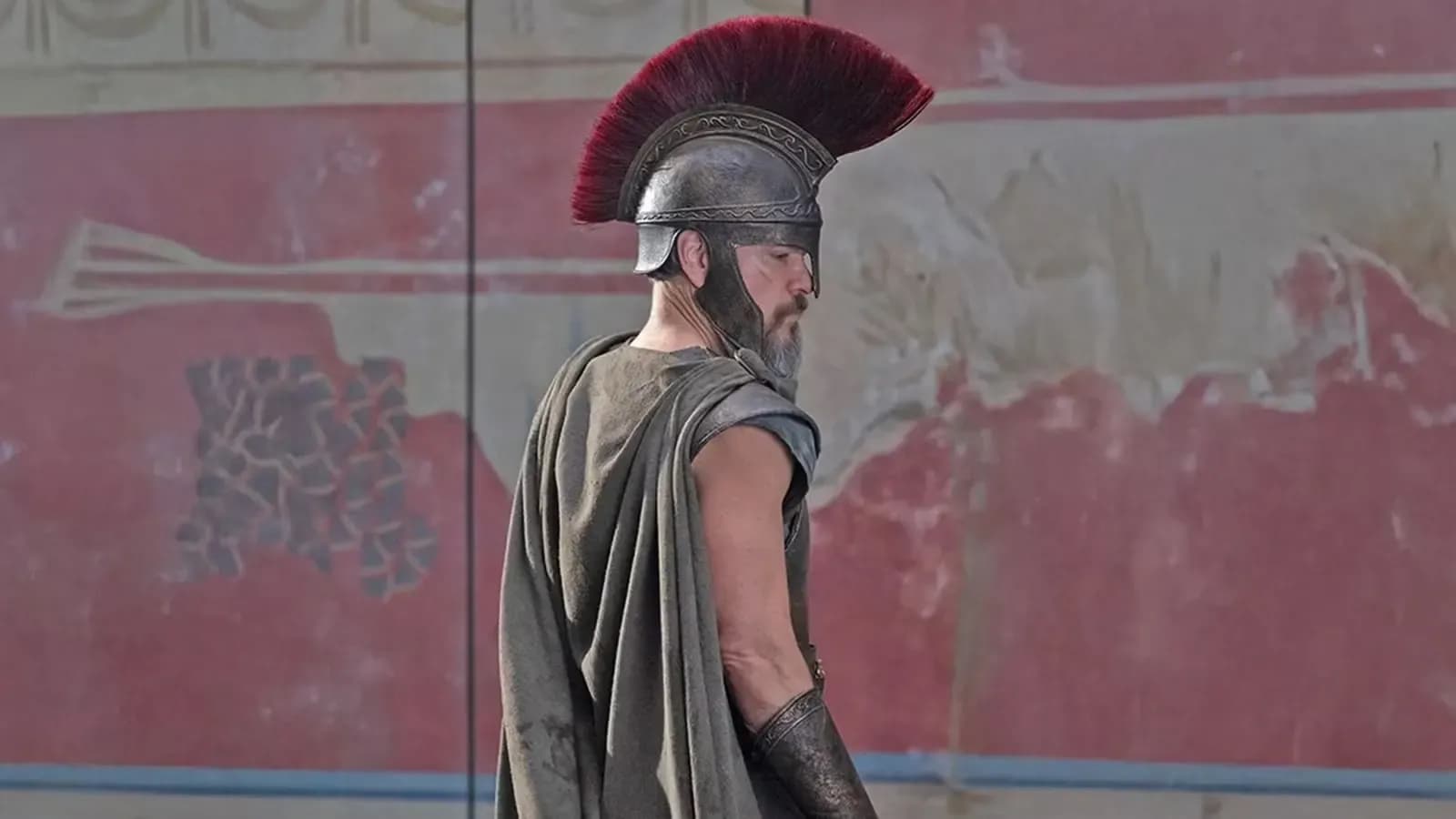
Post-cinema is a term from film and media studies for the moving image after the movie theater stopped being its natural home. Instead of a film projected once, in the dark, to an audience that cannot pause it, post-cinema describes stories that live on phones, laptops, televisions and streaming platforms, shaped by digital cameras, editing software, recommendation algorithms and viewers who scroll, pause and multitask. It is less a genre than a condition: the environment every screenwriter now writes into.
The idea is not that cinema is dead. People still buy tickets, and theatrical films still shape the culture. What has changed is that the theater is now one screen among many, and often not the first one a story reaches. That shift affects how scripts are structured, how scenes are paced, how frames are composed and how audiences relate to characters.
This guide explains where the term comes from, what it changes for writers and, just as important, what it leaves untouched.
Where the term "post-cinema" comes from
The word gained currency in academic film theory around 2010. The critic Steven Shaviro used it in Post-Cinematic Affect (2010), a book about how films and music videos of the digital era produce feelings differently from classical cinema. Shaviro also described a style he called "post-continuity," in which fast, fragmented editing matters more than a clear sense of where everything sits in space.
In 2016 the scholars Shane Denson and Julia Leyda edited Post-Cinema: Theorizing 21st-Century Film, an open-access collection that gathered many of these debates. Its contributors do not agree on everything, and that is part of the point. Some see a radical break with twentieth-century film. Others, following David Bordwell's idea of "intensified continuity," argue that today's fast-cut style is an acceleration of classical Hollywood rather than its end.
For a screenwriter, the useful version of the concept is practical. Post-cinema names three changes at once:
- Where stories are watched: at home, on the move, on screens of every size, often on demand.
- How they are made: digital cameras, phones, virtual production and, increasingly, AI tools.
- How they are found: through platforms and algorithms rather than a fixed release in a fixed place.
Each of those changes pushes on the craft in a different way.
How streaming changed narrative structure
Classical screenplay structure assumes an audience that stays in its seat. The theater gives the writer something precious: uninterrupted attention for two hours. Act breaks, slow builds and a final act that pays off everything set up earlier all rely on that captive viewer. The tradition goes back further than film; we traced it from Homer to Christopher Nolan in the Odyssey, Aristotle's Poetics and Nolan.
Streaming removes the captivity. A viewer can stop at minute twelve and never come back, and the platform knows exactly when they left. That has consequences on the page.
From the act break to the episode and the binge
When Netflix released the entire first season of House of Cards at once in February 2013, it helped normalize the binge. A season released in one drop is experienced less as a series of separate weekly events and more as one long film cut into chapters. Writers responded by designing episodes that end on open questions rather than closed ones, and by thinking about the whole season as a single arc. The "next episode" countdown turned every ending into a potential opening.
Front-loading the hook
If attention can leave at any moment, the beginning carries more weight than ever. In January 2026, while promoting the Netflix film The Rip on The Joe Rogan Experience, Matt Damon described notes he said Netflix gives filmmakers: put a big action sequence in the first five minutes, and consider restating the plot several times in dialogue because viewers are often on their phones. Those are Damon's account, not an official policy, but they capture a real pressure. The inciting incident now tends to arrive earlier, and the opening pages are written for a reader and a viewer who are both ready to leave.
The same conversation offered the counterexample. Ben Affleck pointed to Adolescence (2025), a Netflix limited series in which each episode is filmed in a single continuous shot, as proof that a demanding form can hold a mass audience without those tricks.
Modular and branching stories
Post-cinema also encourages stories that are built in pieces. Henry Jenkins's Convergence Culture (2006) used The Matrix franchise as a key example of transmedia storytelling, where the films, animated shorts and a video game each carry part of the world. On a smaller scale, Black Mirror: Bandersnatch (2018), written by Charlie Brooker, let Netflix viewers choose what the protagonist does at branching points, so the "script" became a map of possible paths rather than one line of scenes.
Few writers will write an interactive film, but the modular mindset is everywhere: cold opens built to be clipped and shared, and scenes designed to work out of context.
The aesthetics of the digital screen
Post-cinema is not only about structure. It also changes what the frame looks like and how fast images move.
The frame shrinks, stretches and turns vertical
The widescreen theatrical frame was built for spectacle and for landscapes. A phone held upright reverses that logic: the vertical frame suits a single face, a body, a conversation. Short vertical drama series made specifically for phone apps are an entire industry now, built on cliffhangers every minute or two.
Filmmakers had been playing with the frame before phones made it urgent. Xavier Dolan's Mommy (2014) was shot mostly in a square 1:1 ratio that traps the characters, and it uses changes in the frame as a dramatic event. Writers rarely specify aspect ratio, but they do decide how intimate or how vast a scene should feel, and the screen the audience is likely to use is part of that decision.
Screenlife: stories told on screens
One of the clearest post-cinematic forms is "screenlife," a label popularized by the producer Timur Bekmambetov for films that unfold entirely on computer or phone screens. Unfriended (2014) played a horror story through a group video call. Searching (2018), directed by Aneesh Chaganty and starring John Cho, follows a father looking for his missing daughter through her laptop, messages and video archives. Host (2020), directed by Rob Savage, staged a séance on a Zoom call and was made during the COVID-19 lockdown.
Screenlife scripts force a writer to think in interfaces: a cursor hovering over the send button can be a dramatic beat, and a deleted message can reveal more than a monologue.
Cheaper cameras, faster cuts
Digital tools lowered the barrier to making a film. Sean Baker shot Tangerine (2015) on iPhones, and Steven Soderbergh made Unsane (2018) the same way. At the other end of the budget scale, effects-heavy films build entire worlds in software. Everything Everywhere All at Once (2022) shows how post-continuity editing can serve story: its rapid jumps between universes feel like a browser with too many tabs open, and that chaos is exactly the emotional state of its overwhelmed heroine.
The lesson for writers is not "cut faster." It is that rhythm is now a deliberate choice, because audiences fluent in fast media also notice, and sometimes crave, stillness.
From spectator to user: the new audience
In the classical model, the spectator sits in the dark and surrenders to the film. In the post-cinematic model, the viewer behaves more like a user: pausing, rewinding, skipping the intro, reading a plot summary mid-episode, posting about a twist before the episode is over.
The distracted viewer and the second screen
Many people now watch with a phone in hand. That changes how information lands. A visual clue that a theater audience would catch might be missed at home, which is why some productions repeat key plot points in dialogue. The craft question is how to keep clarity without insulting the attentive viewer. Good answers include strong scene goals, a protagonist whose want is obvious and visual storytelling that rewards attention without punishing a glance away.
Algorithms as gatekeepers
Recommendation engines decide which stories appear on a viewer's home screen, and the data behind them influences which projects get made. Platforms can see completion rates, drop-off points and rewatch moments in a way no theater ever could. That can push development toward familiar genres and easily summarized premises, the kind of story that fits a thumbnail and a one-line description.
It has also opened doors: non-English series can now find audiences worldwide through the same systems. For a writer, it means the logline and the first minutes matter more than ever, and that originality still has to be legible quickly.
Audience agency and authorship
When viewers choose paths, remix clips and generate fan edits, the line between audience and author blurs. AI tools add another layer by producing images, voices and even drafts. We explore what that means for writers in AI, authorship and the future of screenwriting, and how to plan a working life around these shifts in building a sustainable screenwriting career in 2026.
What remains of poetics in the post-cinema era?
If formats keep changing, does the old craft still matter? The evidence suggests it matters more, because it is the part that transfers from one screen to the next.
Catharsis still works on a small screen
Aristotle described tragedy as producing pity and fear and resolving them through catharsis. Nothing about a phone screen cancels that. People cry at films on laptops and gasp at finales watched on a train. What changes is that the emotional build has to survive interruptions, so writers protect it with clear stakes, characters the audience already cares about and turning points that land even after a pause. The ending still has to earn its emotion; why endings are the hardest thing to write explains why that never gets easier.
Character is the anchor
Formats come and go: screenlife, vertical drama, interactive branches, multiverses. Characters remain the reason audiences stay. A viewer will forgive a slow scene for a person they want to follow and will abandon a fast one for a person they do not. Understanding character arc, what a protagonist wants, what they need and how they change, is the most portable skill a screenwriter has. It works at 90 minutes, across eight episodes and in two-minute vertical chapters.
When you are adapting a script for a new format, it helps to see how its structure and characters read to a stranger. Tools such as Poetika can give you a structured analysis of your screenplay covering story, structure, character and dialogue, which is useful when you are testing whether an opening hooks or a character arc holds across a season.
Reclaiming intimacy
The same tools that power scrolling feeds have given independent filmmakers new ways to make personal work. Charlotte Wells's Aftersun (2022) weaves home camcorder footage of a father and daughter's holiday into its storytelling, turning a familiar consumer format into memory itself. Tangerine proved that a phone in the right hands can capture a world that studios rarely show. Post-cinema lowers the cost of making a film and multiplies the places it can be seen.
How to write for the post-cinema era: a checklist
- The protagonist's want is clear within the first few pages
- The opening raises a question strong enough to stop a viewer from leaving
- Key plot information is carried by action and character, not only by visual details a distracted viewer might miss
- Each scene changes something, so the story survives being paused and resumed
- Episode or chapter endings open new questions rather than only closing old ones
- The rhythm is a choice: you know where the story moves fast and where it deliberately slows down
- The story would still work if the format changed, because its core is character and conflict
The medium keeps changing. Screens shrink, multiply and turn vertical, and new tools arrive every year. But the reason people watch has not moved: they want to follow someone they care about through a change that matters. Write for that, and the format becomes a tool rather than a threat. When your draft is ready, you can check how it reads before it reaches its first audience.
FAQ
What does post-cinema mean in simple terms?
Post-cinema means moving images in the era after the movie theater stopped being their main home. Films and series now reach audiences through streaming platforms, phones and laptops, are made with digital tools and are found through algorithms. The term describes that whole environment and how it changes the way stories are made, watched and felt.
Who coined the term post-cinema?
No single person invented it, but the critic Steven Shaviro made it influential with his 2010 book Post-Cinematic Affect. In 2016, Shane Denson and Julia Leyda edited Post-Cinema: Theorizing 21st-Century Film, an open-access collection that brought together many scholars' perspectives and helped establish the term in film studies.
Is streaming at home still cinema?
It depends on the definition. If cinema means a shared screening in a theater, home streaming is something else. If cinema means the art of telling stories with moving images, then a film watched on a laptop is still cinema. Post-cinema theory sits between these views: the art continues, but the conditions around it have changed.
Does post-cinema mean screenplays should be faster and shorter?
Not necessarily. Streaming does reward strong openings and clear stakes, but some of the most talked-about recent series use long takes and slow builds. The real requirement is control: every scene should earn its place, and the pace should be a deliberate choice rather than an attempt to copy social media.
What are examples of post-cinematic films?
Screenlife films such as Unfriended, Searching and Host are clear examples because they unfold entirely on digital screens. Black Mirror: Bandersnatch shows interactive storytelling, Tangerine shows phone-made cinema and Everything Everywhere All at Once shows fast, fragmented editing used to express a character's overwhelmed inner life.