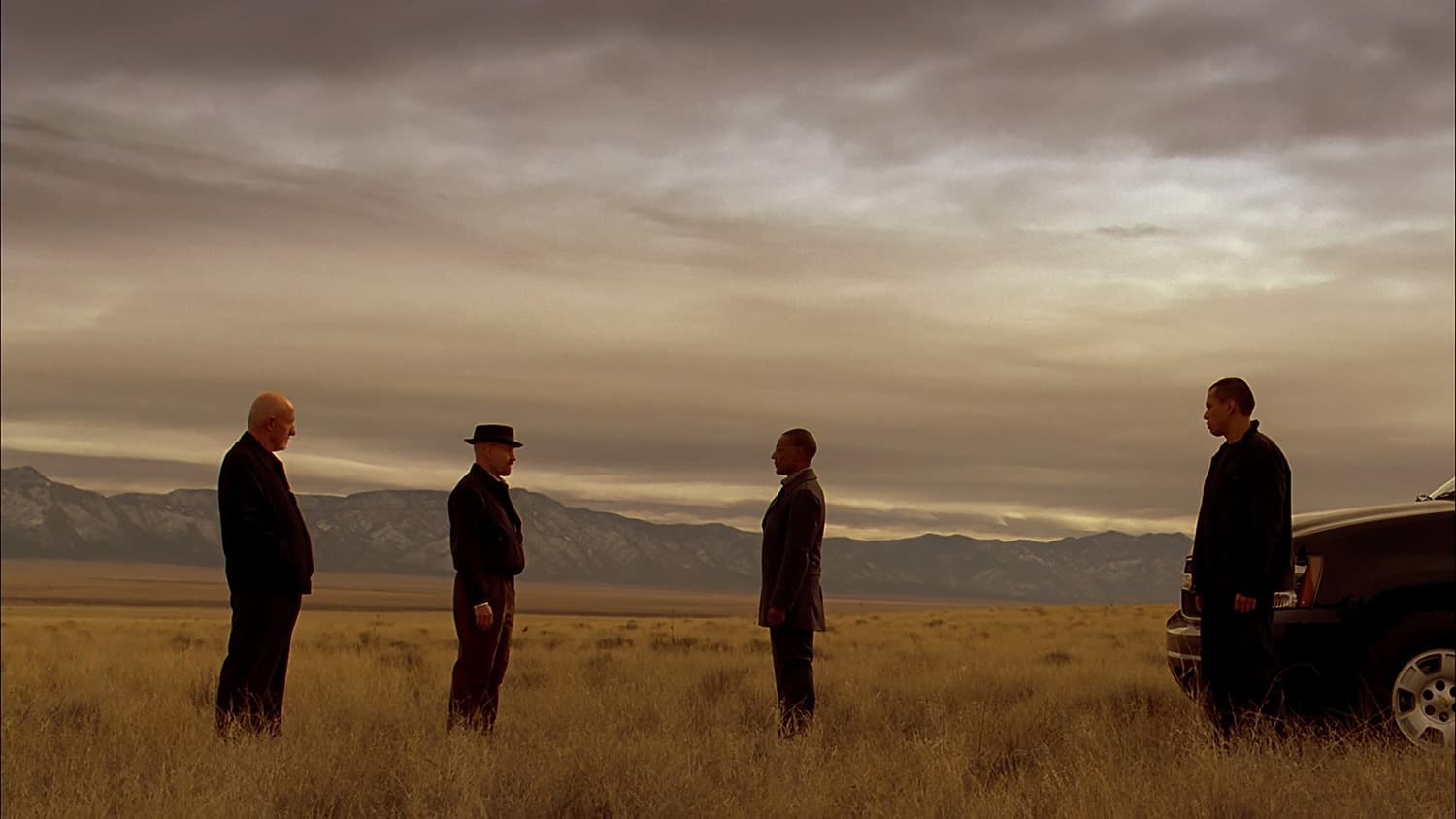
Not All Heroes Are Good. Not All Villains Are Evil. Understanding Protagonist and Antagonist
A writer's guide to the two forces that drive every story — and why most people misunderstand both.
June 11, 20249 min
Read Guides on screenwriting, filmmaking, story structure and script analysis.
42 results found
A writer's guide to the two forces that drive every story — and why most people misunderstand both.

You've written a script. Maybe two. You've spent months on it; rewriting scenes, adjusting dialogue, getting feedback from friends. And then you send it out, and nothing happens. No response, no meeting, no conversation. Just silence.
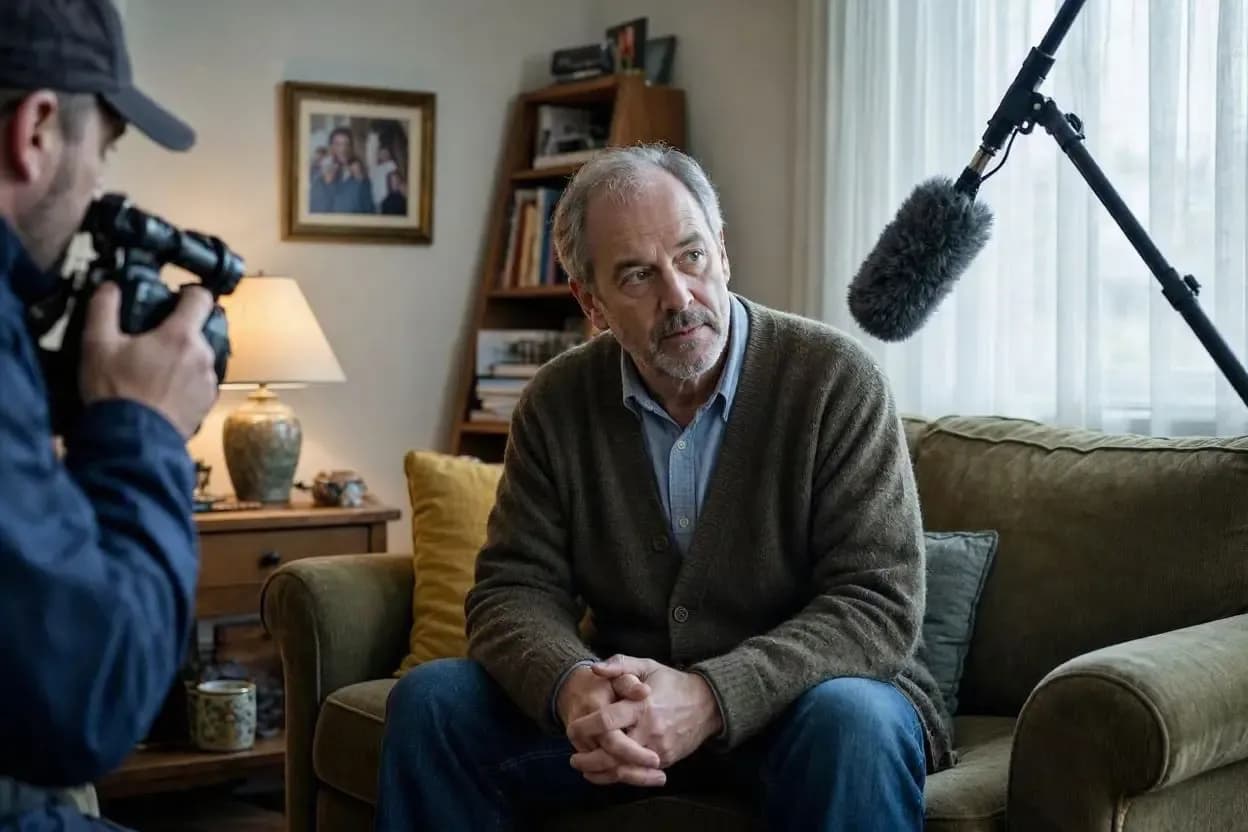
There is a camera in the room. Everyone knows it is there. And yet nobody acknowledges it directly at least not in the way you would acknowledge a stranger standing in the corner of your living room. The characters go about their lives, argue with their colleagues, confess their secrets, and pursue their goals, all while being filmed by a crew they have apparently agreed to let follow them around indefinitely.
A complete reference for the vocabulary of the craft from the first slug line to the final fade out.
You sent the draft to three people you trust. A close friend who loves films. A colleague who writes. Maybe a family member who has always been your most enthusiastic reader. They came back with variations of the same response: they loved it. A few small notes here and there a line of dialogue that felt off, a scene they wanted more of but overall, they thought it was great. Really great.
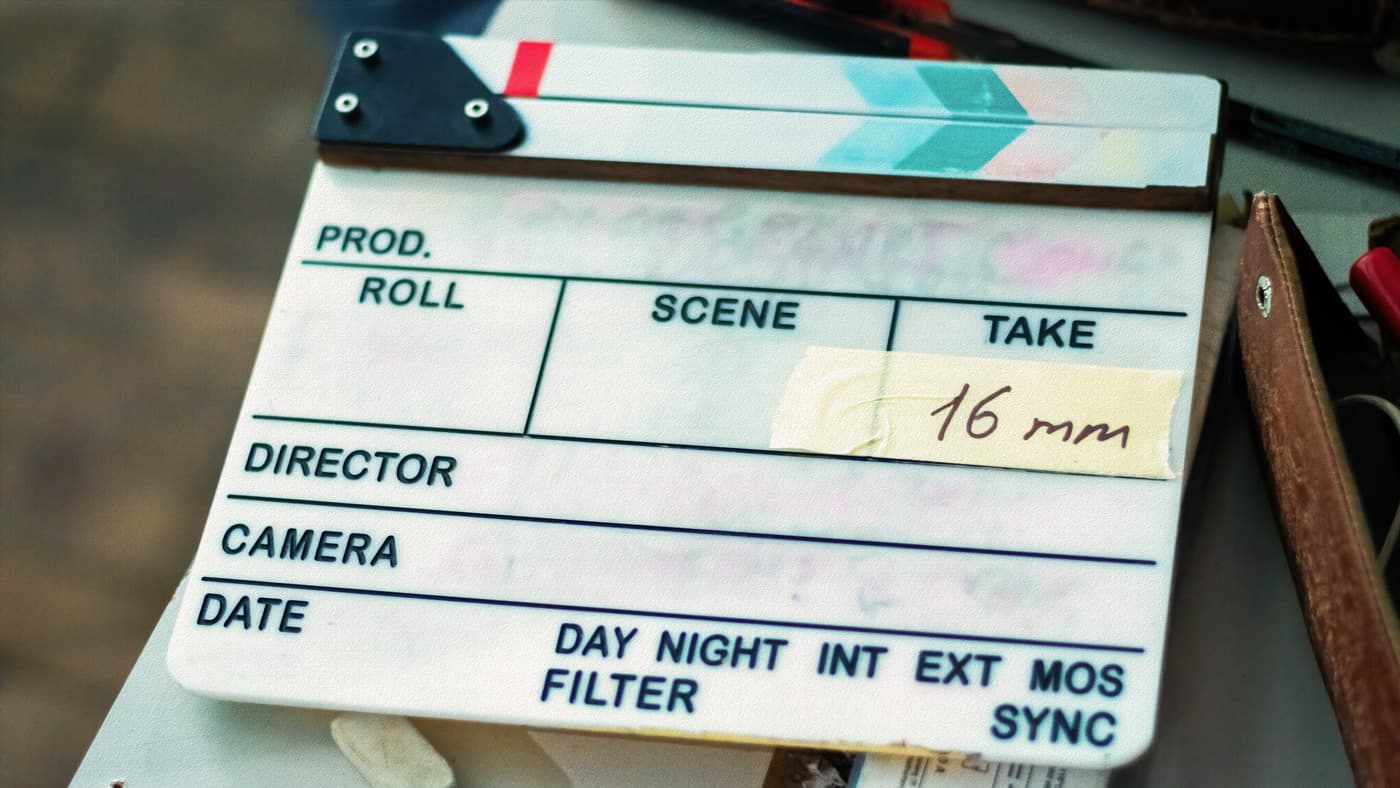
Most screenwriters spend months, sometimes years, writing a screenplay. Then, somewhere between a festival deadline, a funding application and a producer submission, they remember they also need a synopsis. The synopsis is usually written in a hurry. It becomes a practical necessity rather than a creative task — a document to complete, not a document to craft. Yet this overlooked text may determine the fate of a screenplay more often than the screenplay itself.
There is a moment every screenwriter knows. The script is almost finished. The story has built, the characters have struggled, the themes have accumulated. And then comes the final scene the moment that will determine how every scene before it is remembered.

Every writer knows the feeling. The draft is done. The scenes are there. Something still isn't working and you can't see what it is because you're too close to it. That's not a talent problem. That's a distance problem.
The film industry runs on scripts. Every project whether it's a debut short or a major co-production begins with a screenplay. And yet, for most of the people who work with scripts every day, the process of evaluating, developing, and understanding them has remained slow, expensive, and inconsistent. Poetika was built to change that. It is a script analysis and development platform that serves every role in the filmmaking process from the writer at the first draft stage to the studio executive weighing a production decision. Here is who it is for, and what it offers each of them.
Explore a complete sample analysis and understand the feedback format.